- Dilovası Organized Industrial Zone, 1st Section, Dicle Caddesi No:18, Dilovası / Kocaeli, Türkiye
- info@ovaenerji.com.tr
- +90 262 754 88 99

Slip-Ring Motors
Slip-Ring Motors
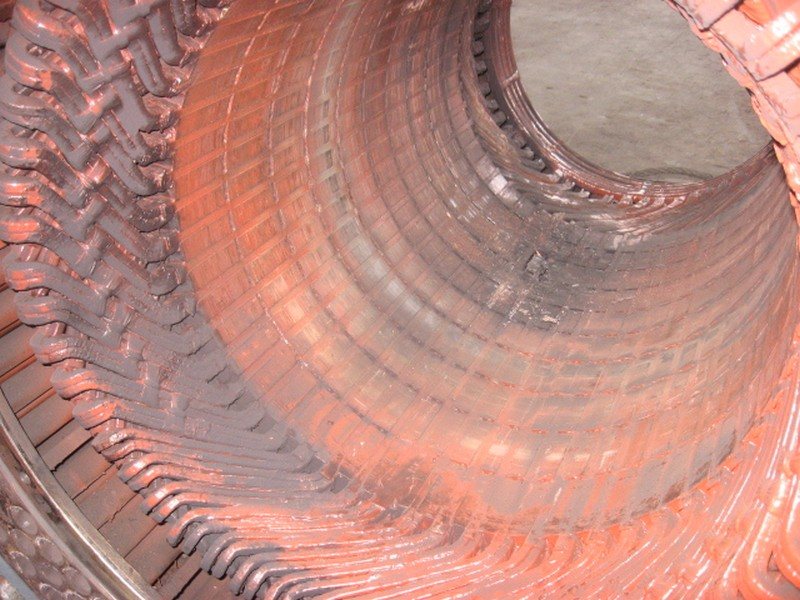
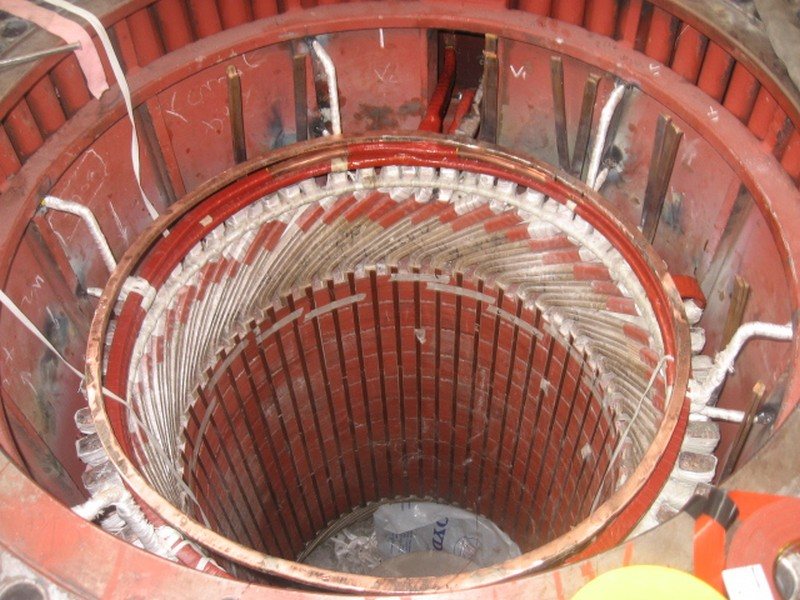
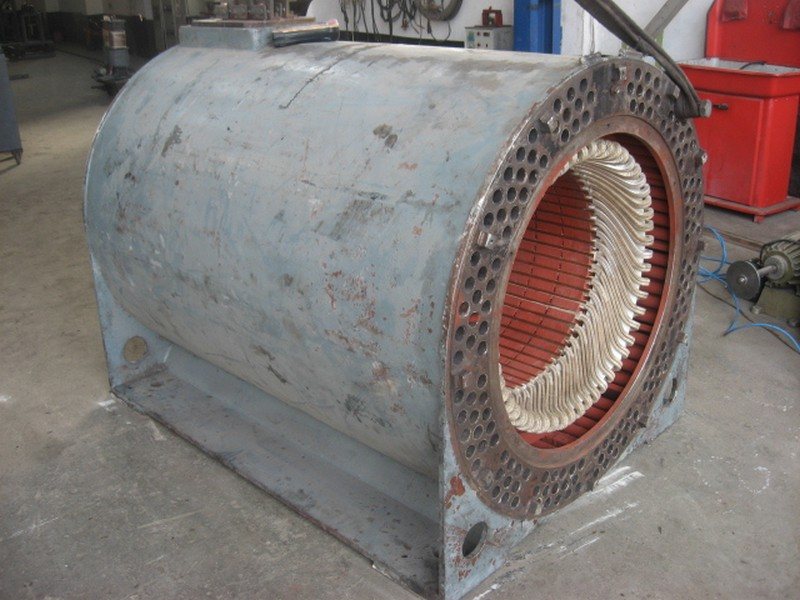
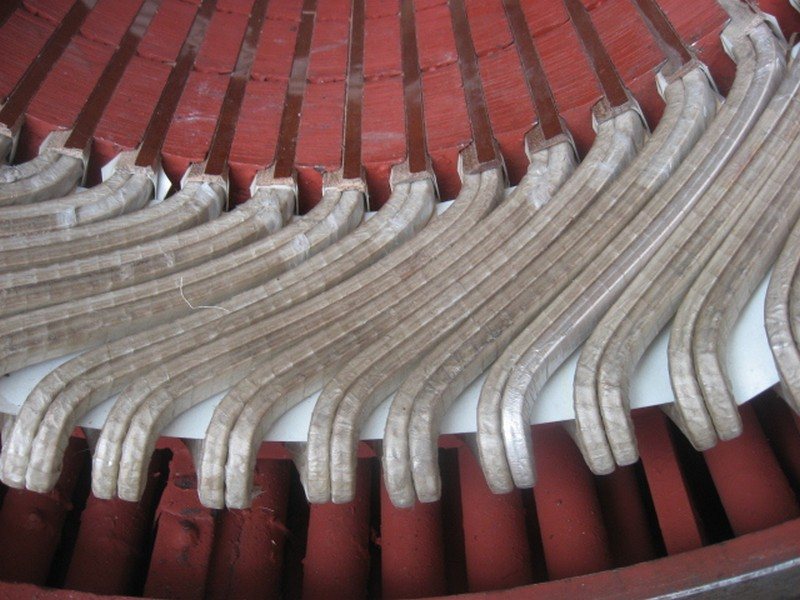
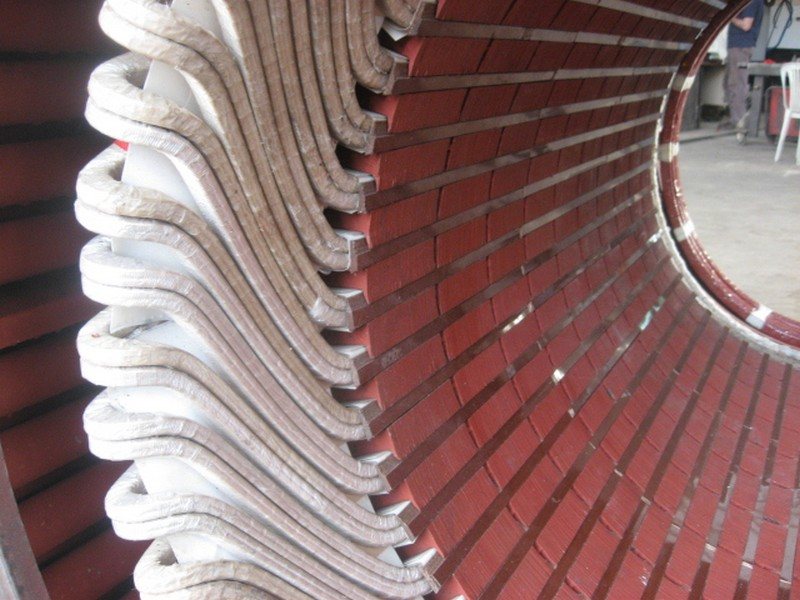
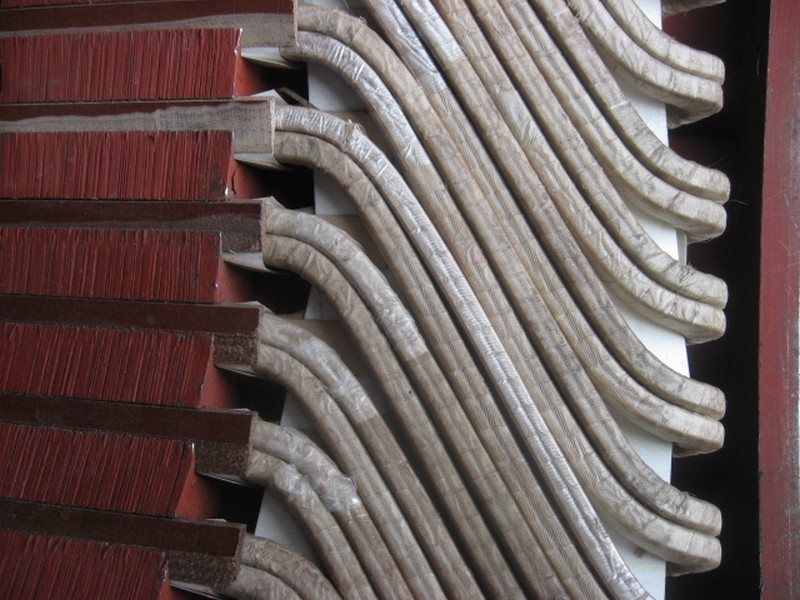
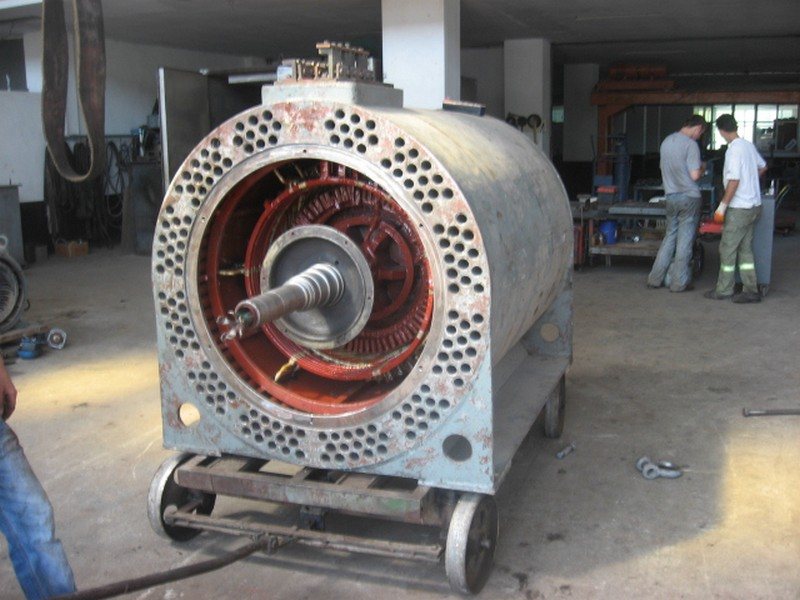
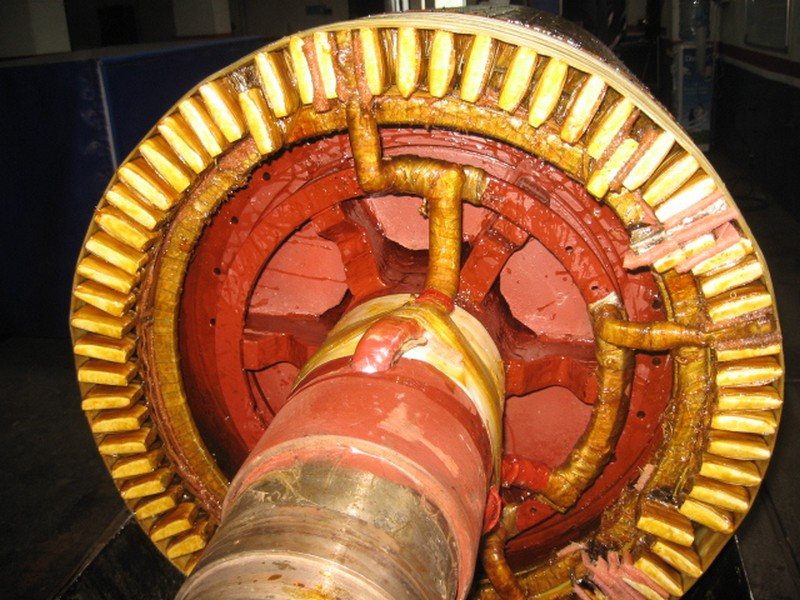
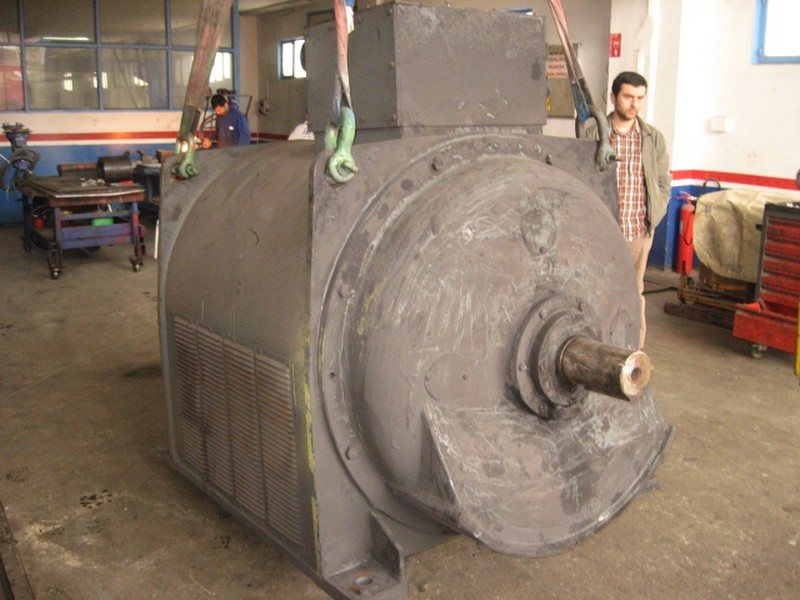
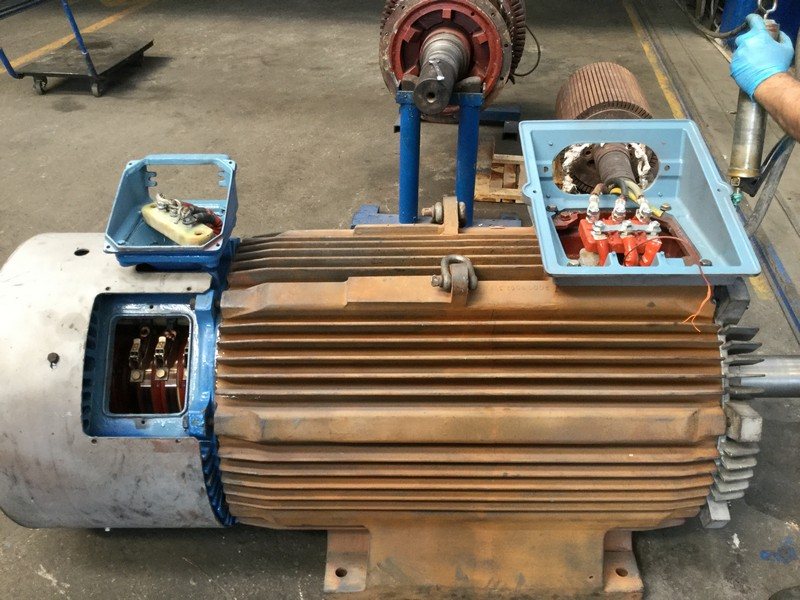
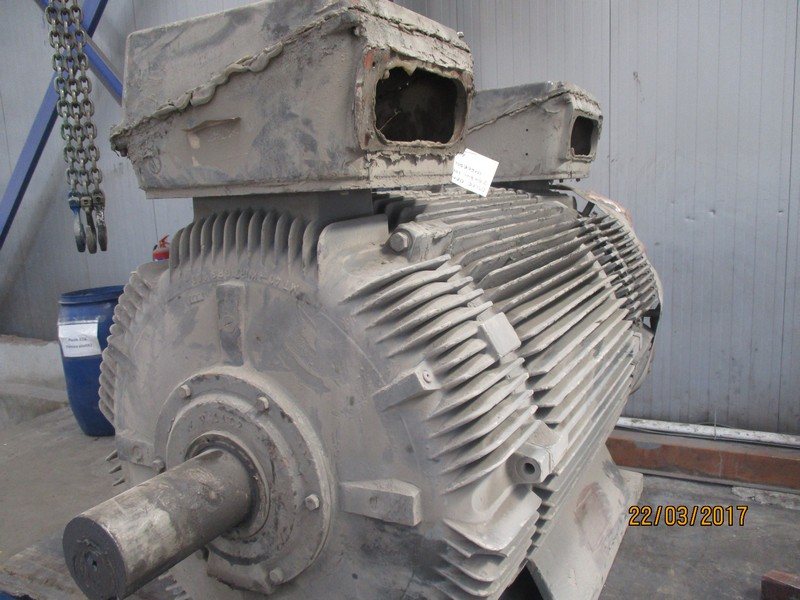
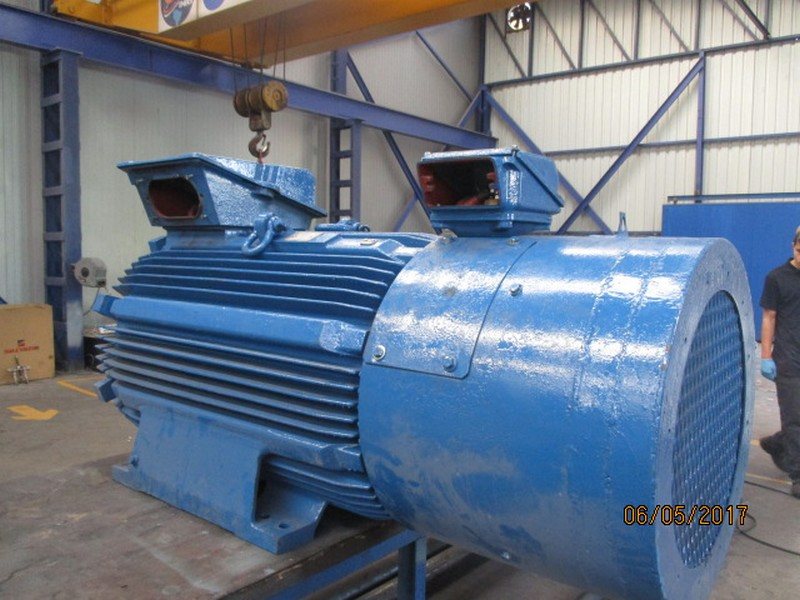
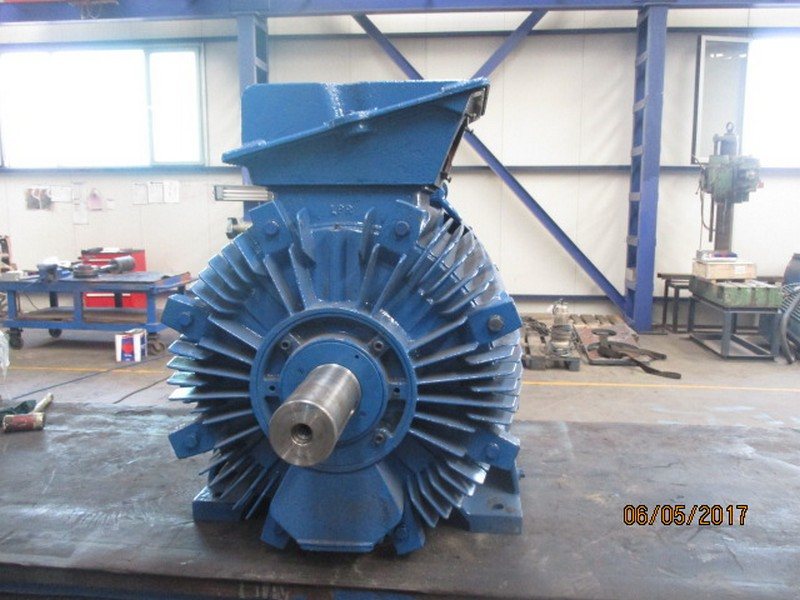
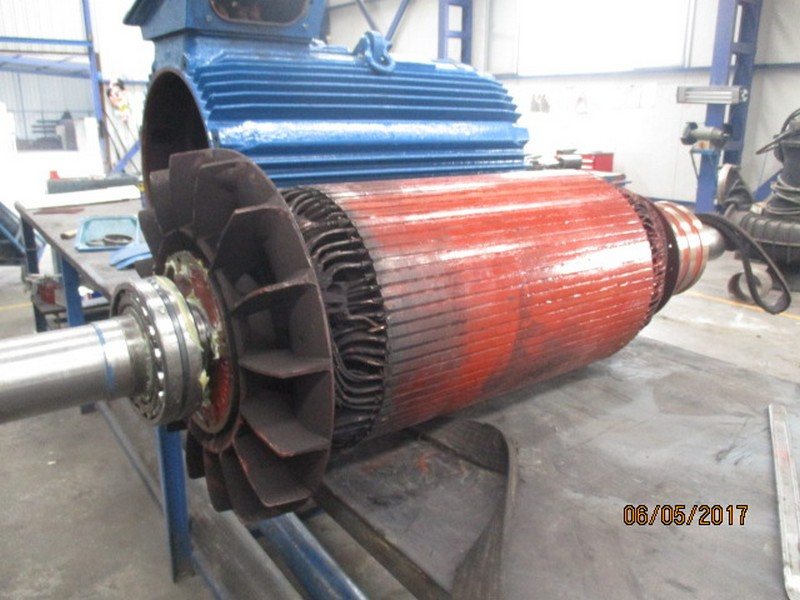
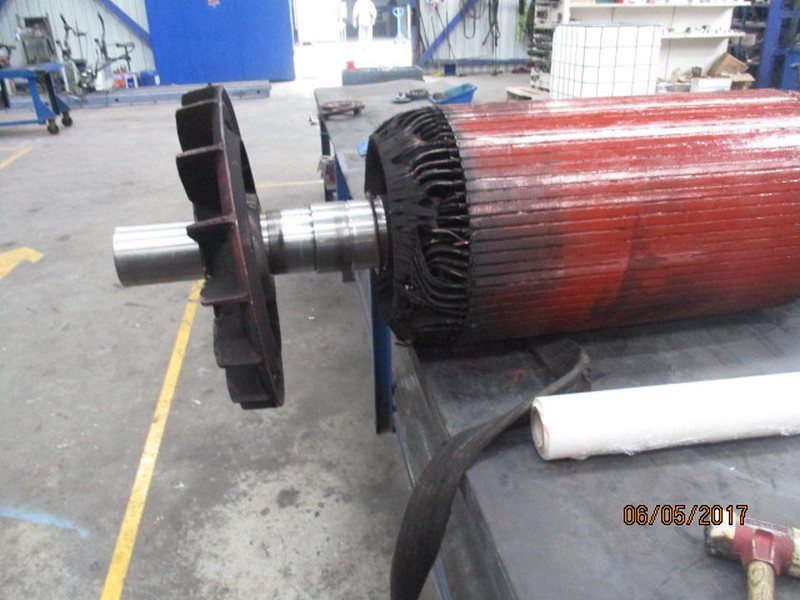
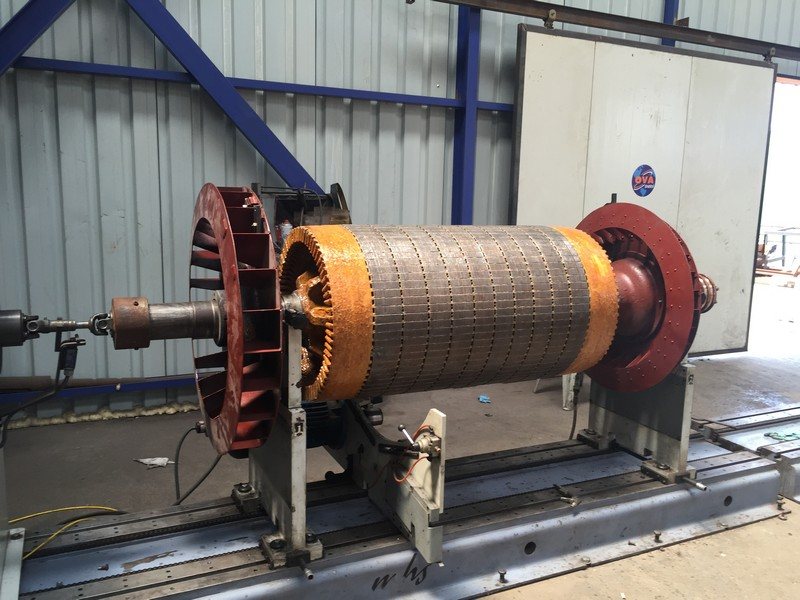
Slip-ring motor rewinding: stator and rotor windings, slip ring and brush holder manufacture, balancing and tests for LV and MV wound-rotor motors.
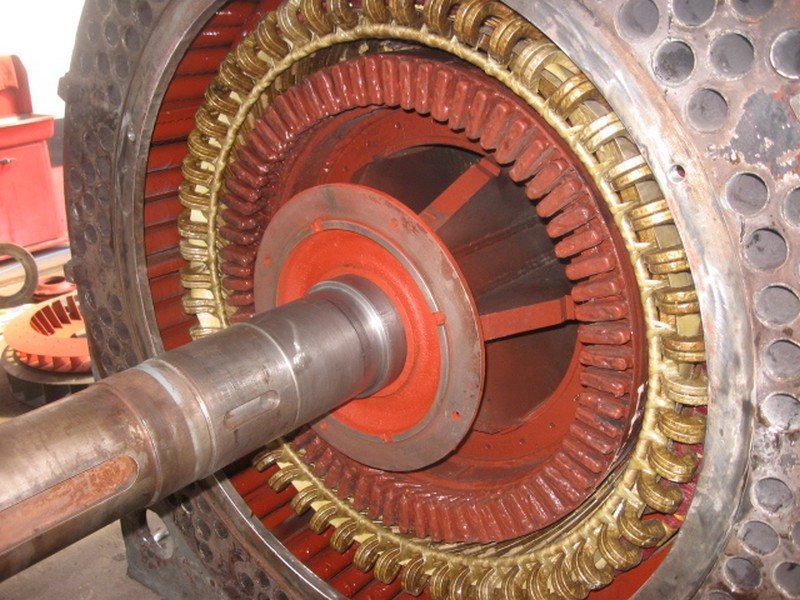
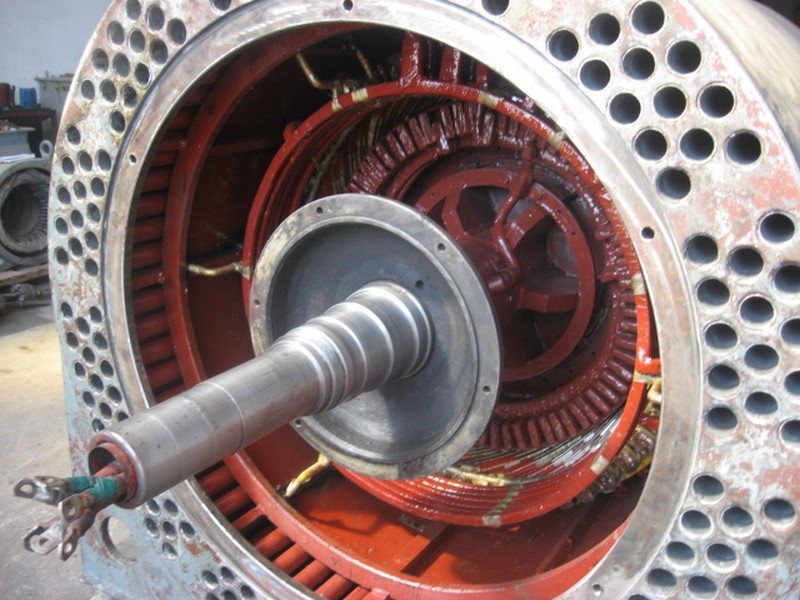
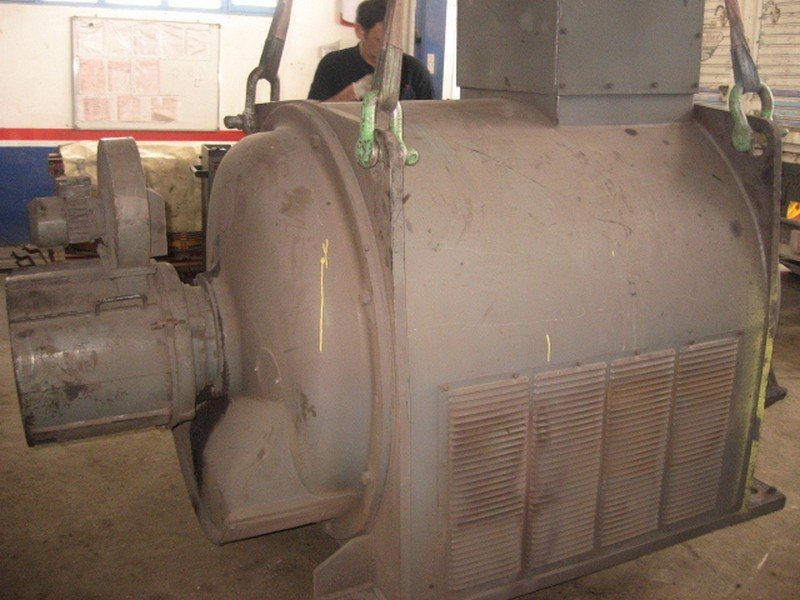
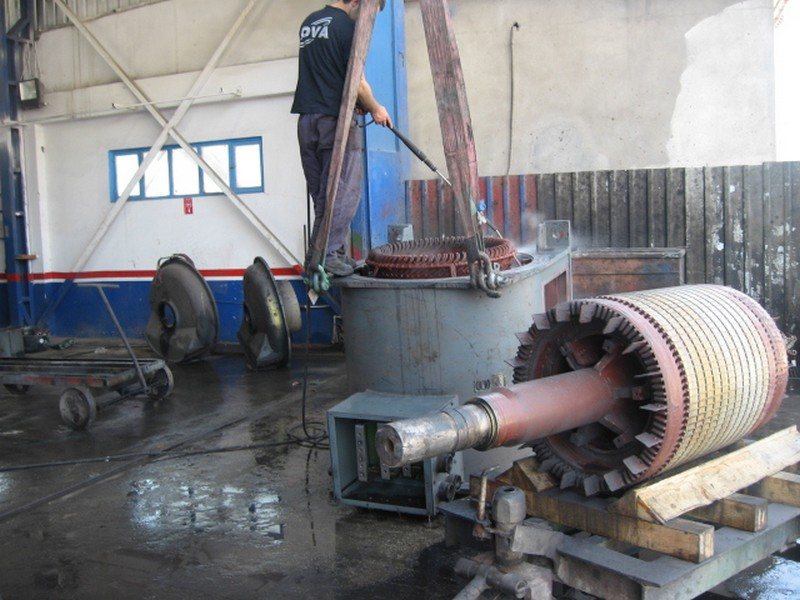
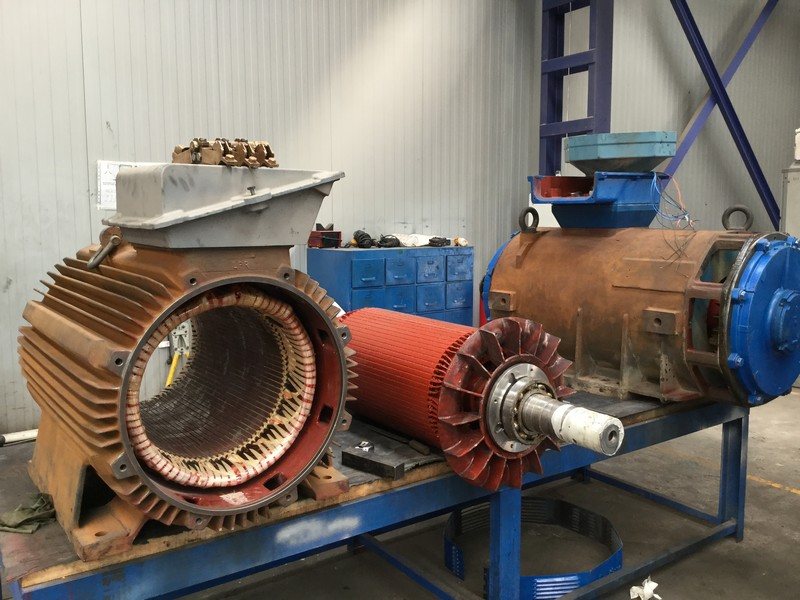
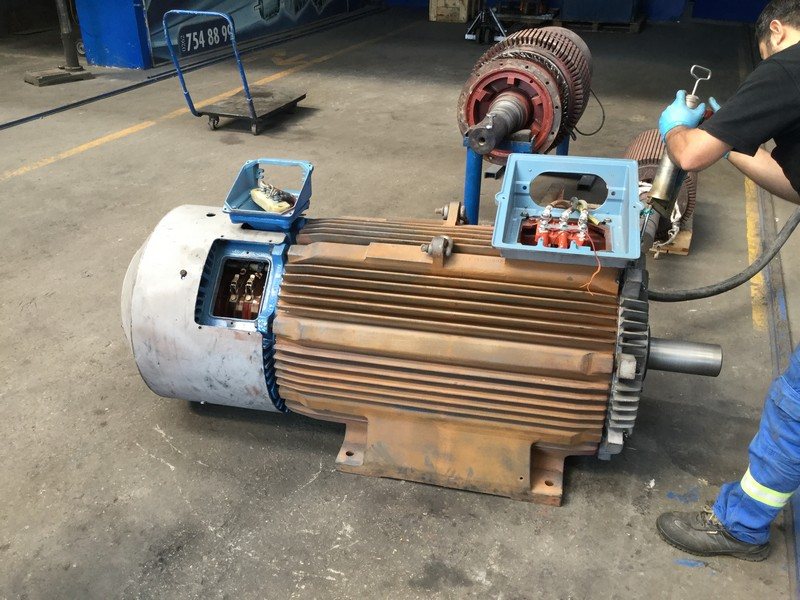
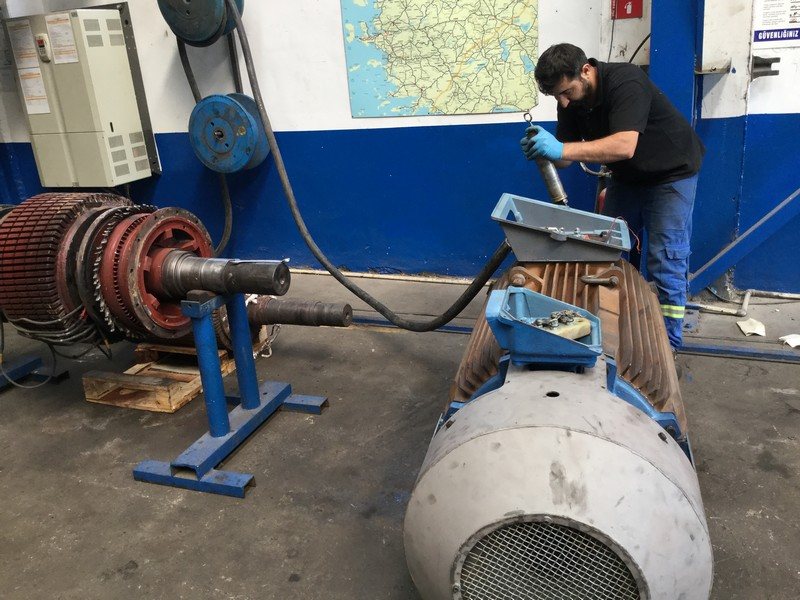
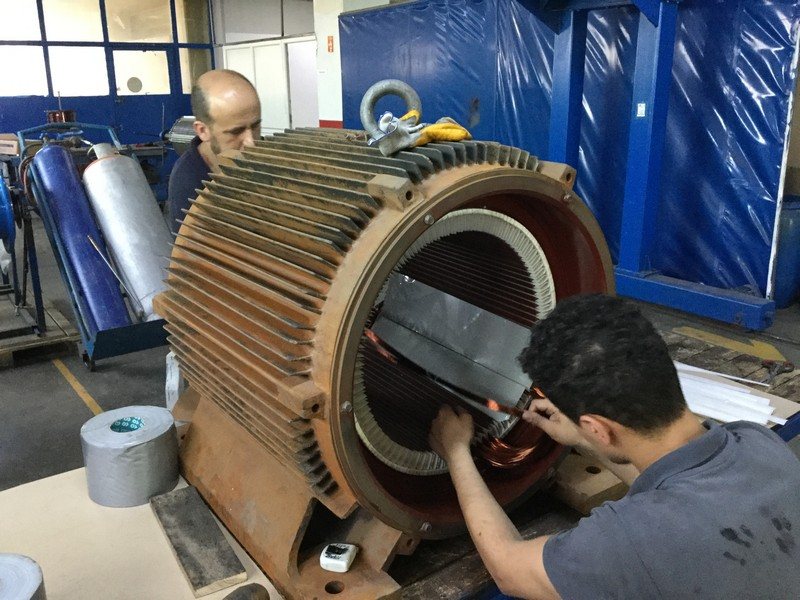
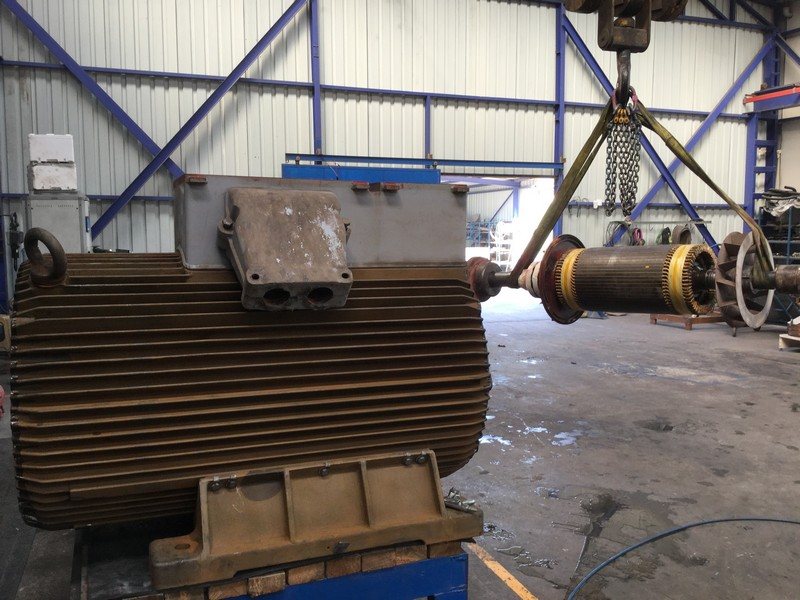
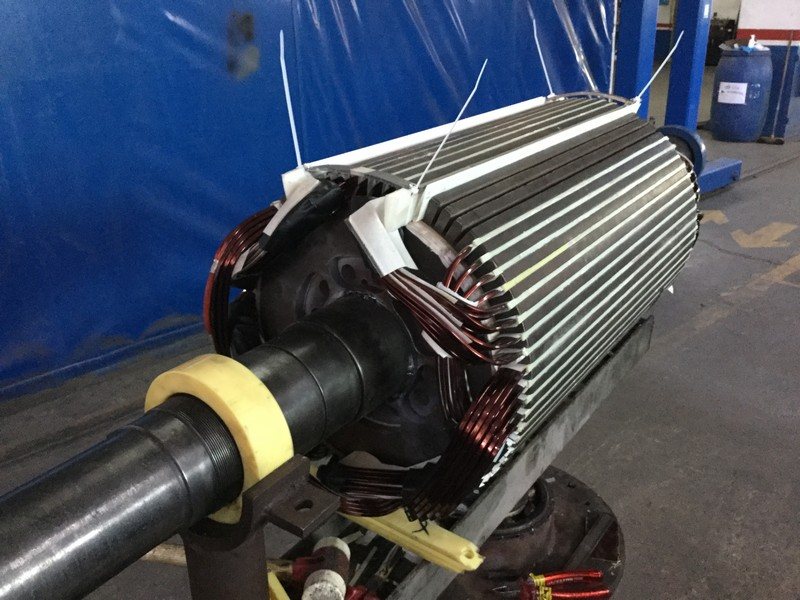
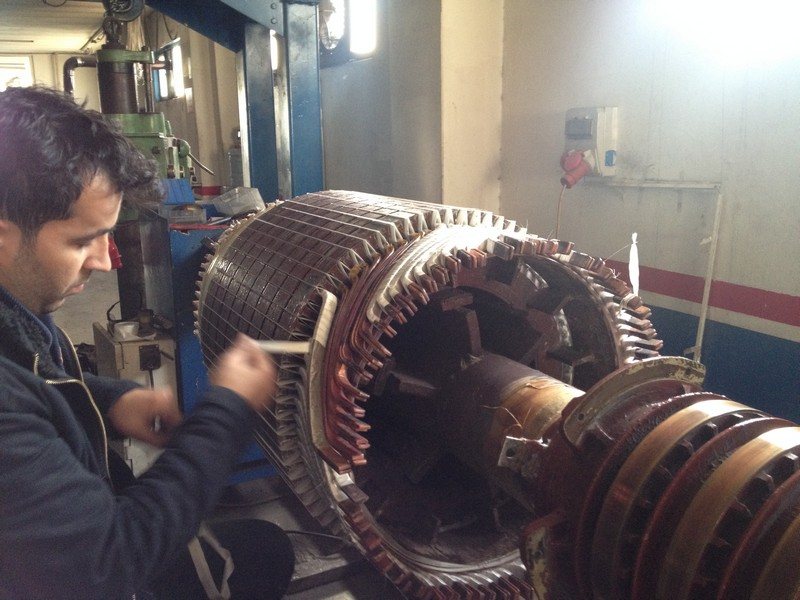
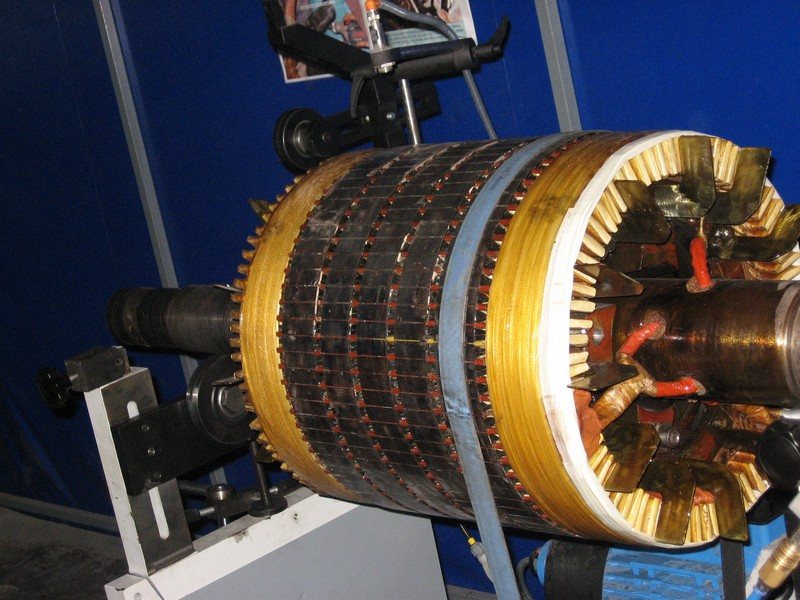
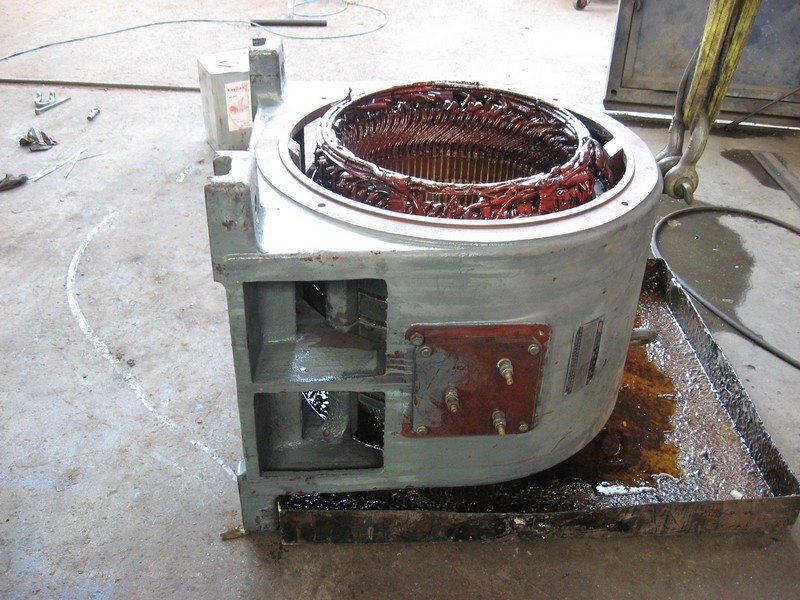
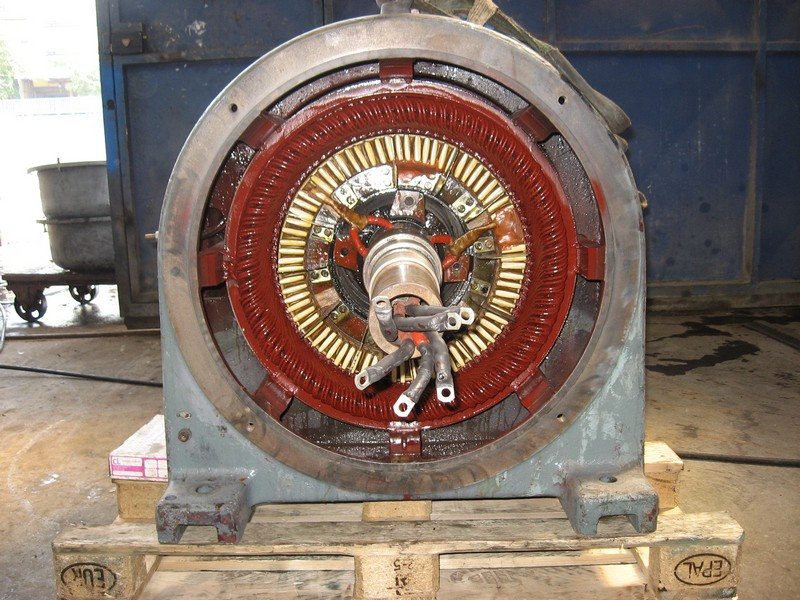
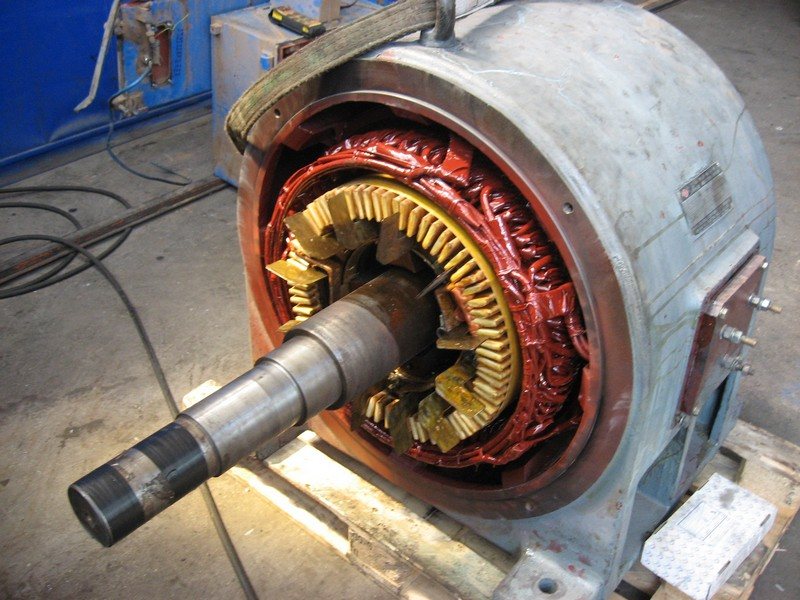
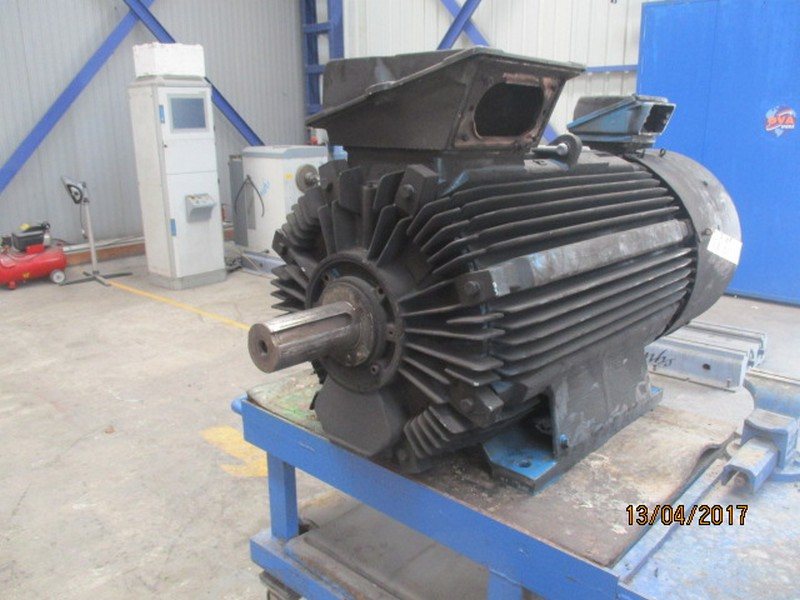
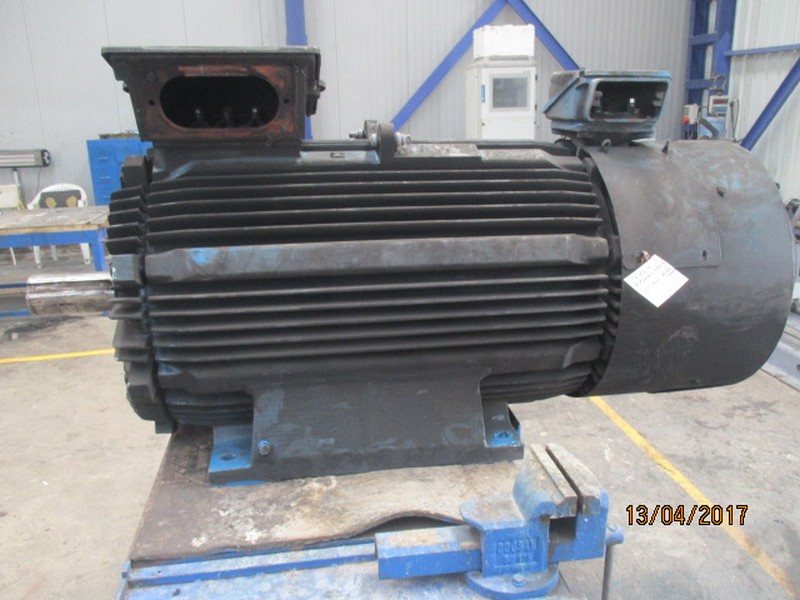
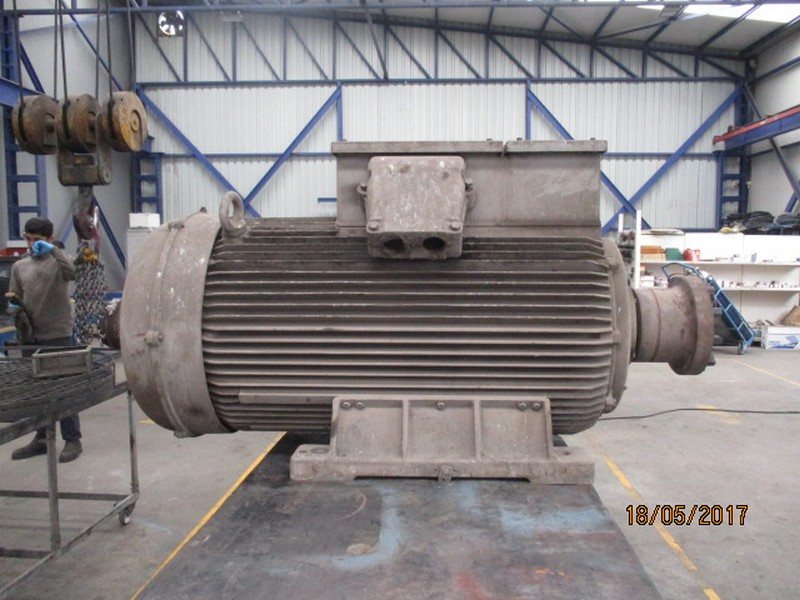
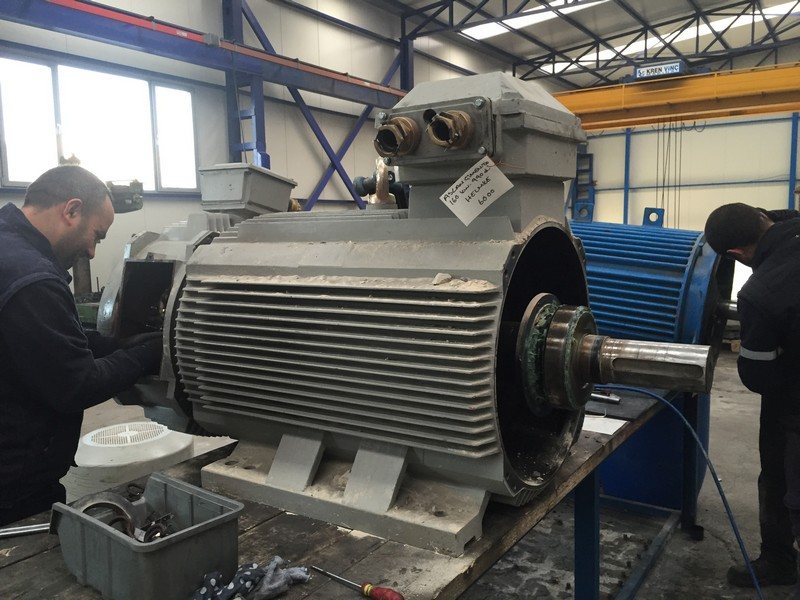
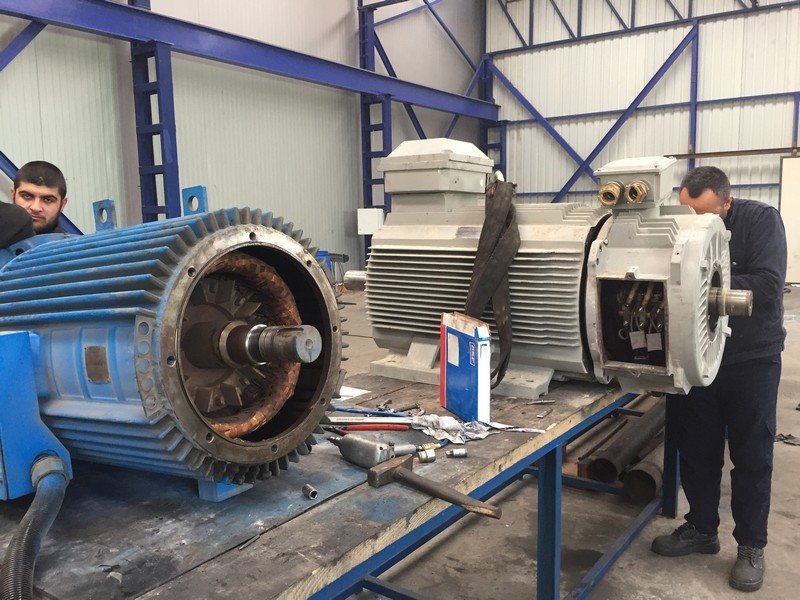
Slip-ring motor rewinding is a specialised repair covering the renewal of both the stator and rotor windings of wound-rotor induction motors and the overhaul of the slip ring and brush system. At Ova Enerji's workshop in Dilovası OSB, we rewind, maintain and repair low voltage (0–1000 V) and medium voltage (3,000–6,000–10,000 V) slip-ring induction motors.
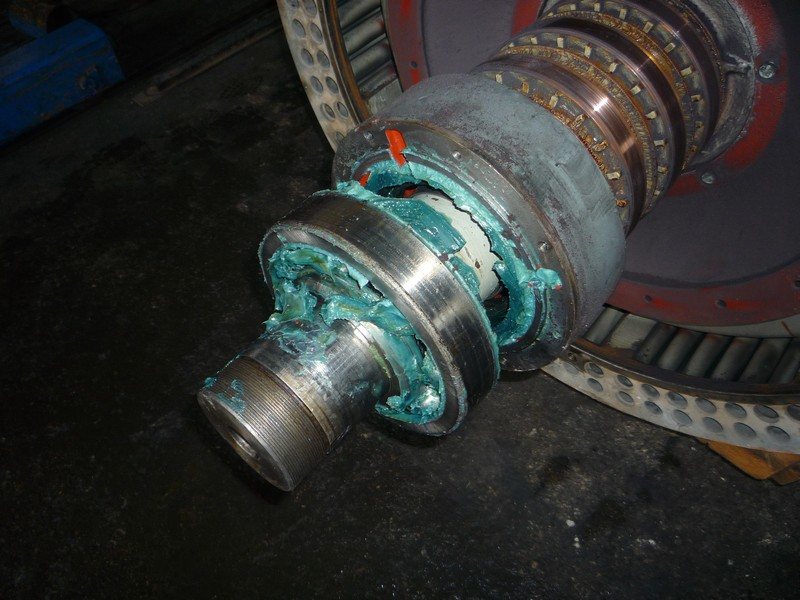
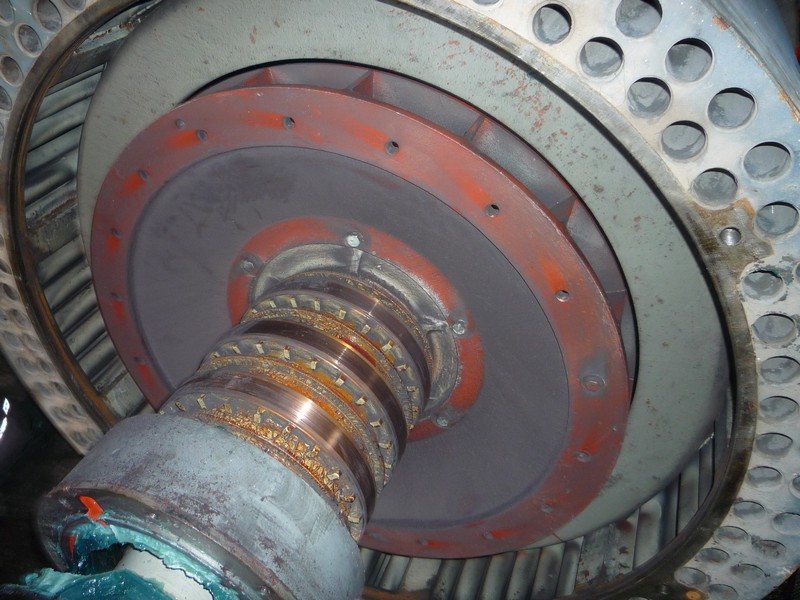
Because we can manufacture slip rings and brush holders in our own workshop, repair is possible even for motors whose original parts cannot be found or have long delivery times.
What is a slip-ring induction motor and where is it used?
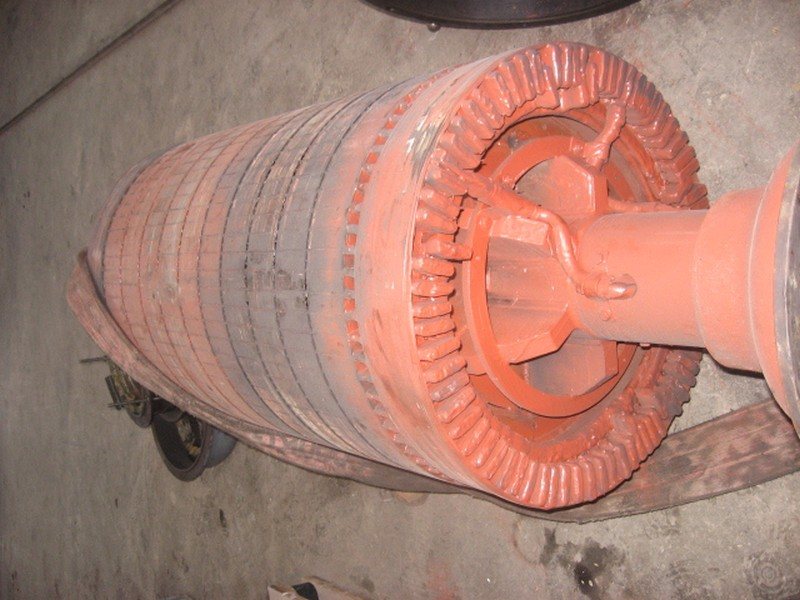
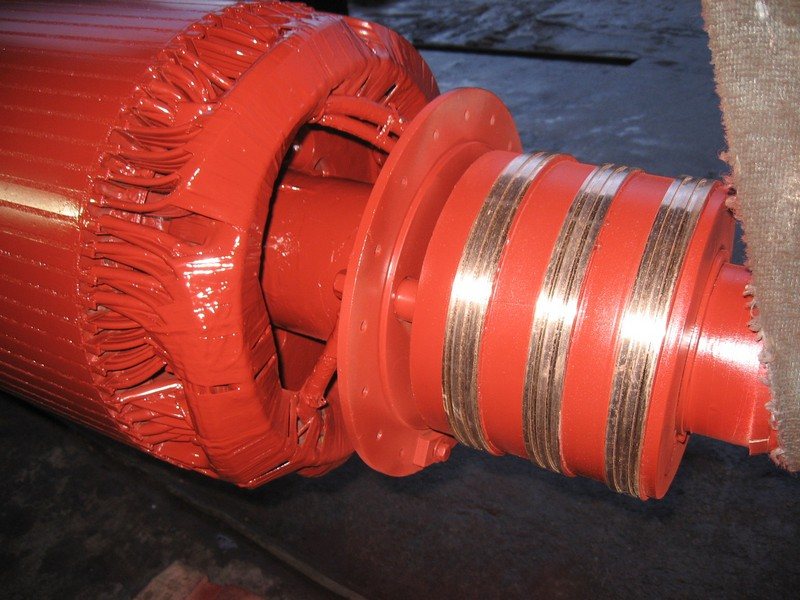
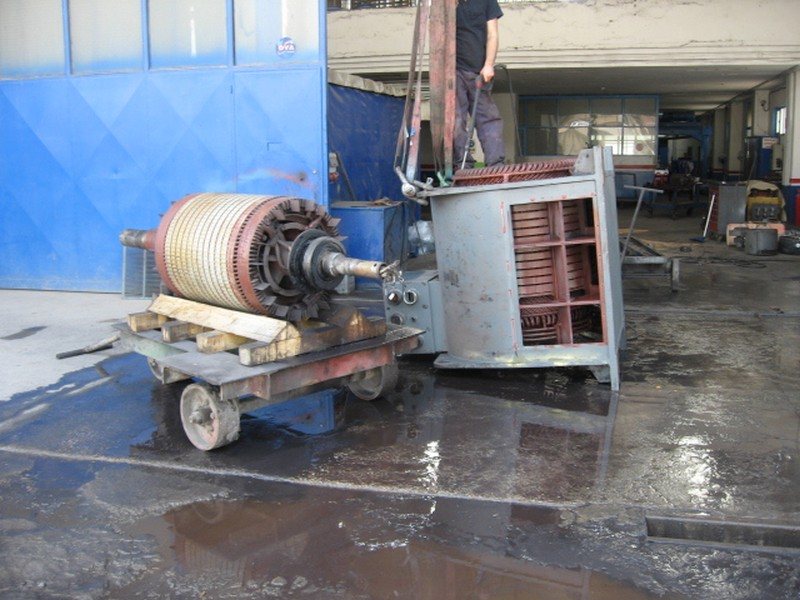
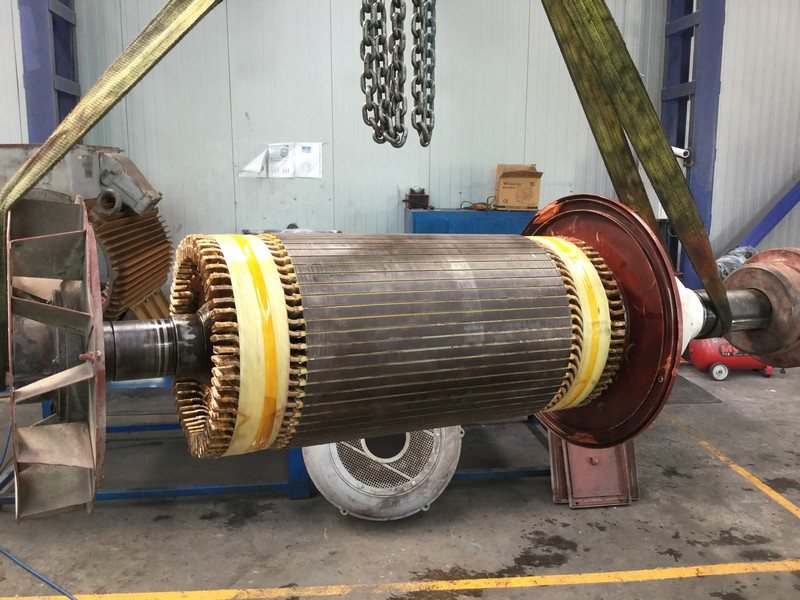
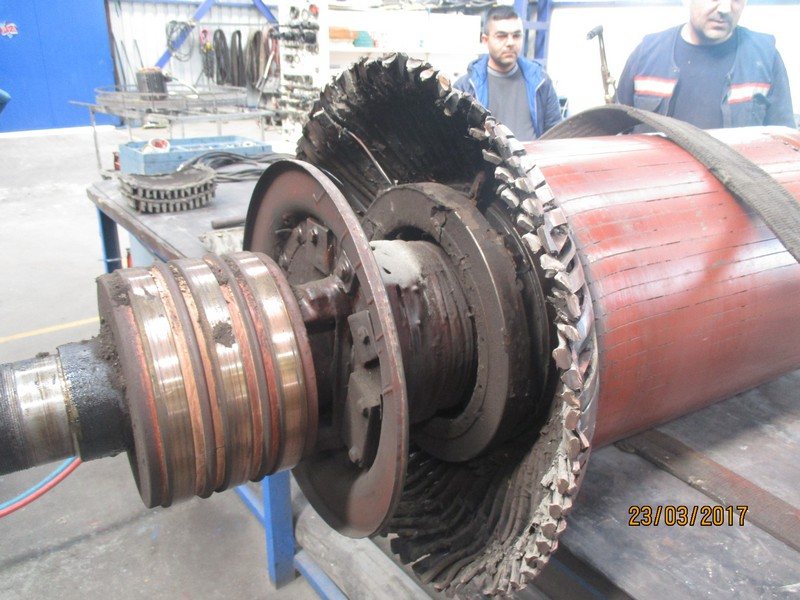
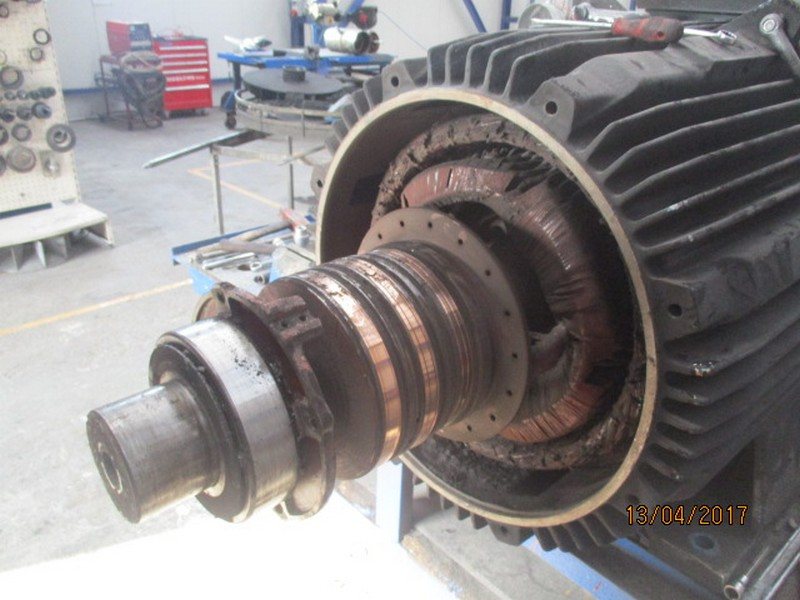
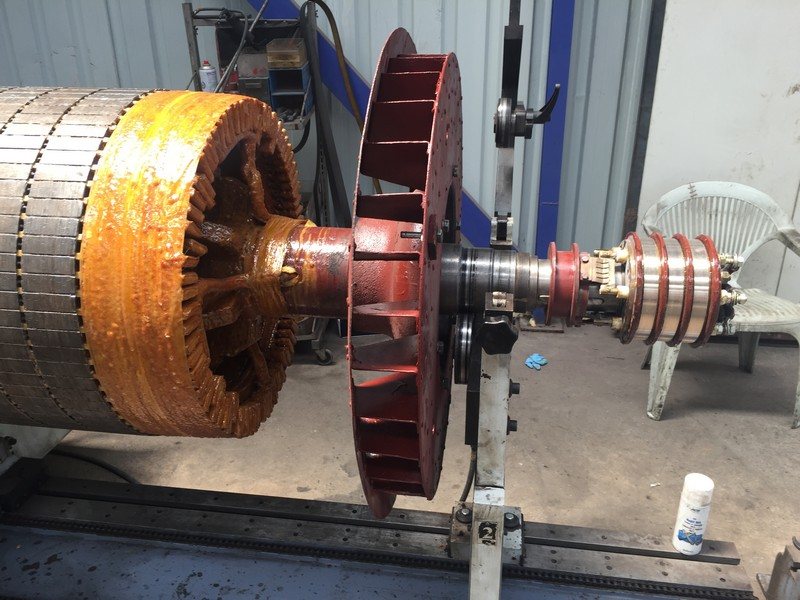
In slip-ring (wound-rotor) induction motors, the rotor carries a three-phase winding instead of a squirrel cage. The ends of this winding are connected to slip rings on the shaft, and external resistance can be added to the rotor circuit through the brushes pressing on the rings. This allows the motor to produce high starting torque with low starting current, and its speed can be adjusted to a certain extent.
Owing to these characteristics, slip-ring motors are widely used for high-inertia loads such as cement mills, crushers, large fans, cranes and heavy-start conveyors.
Common faults in slip-ring motors
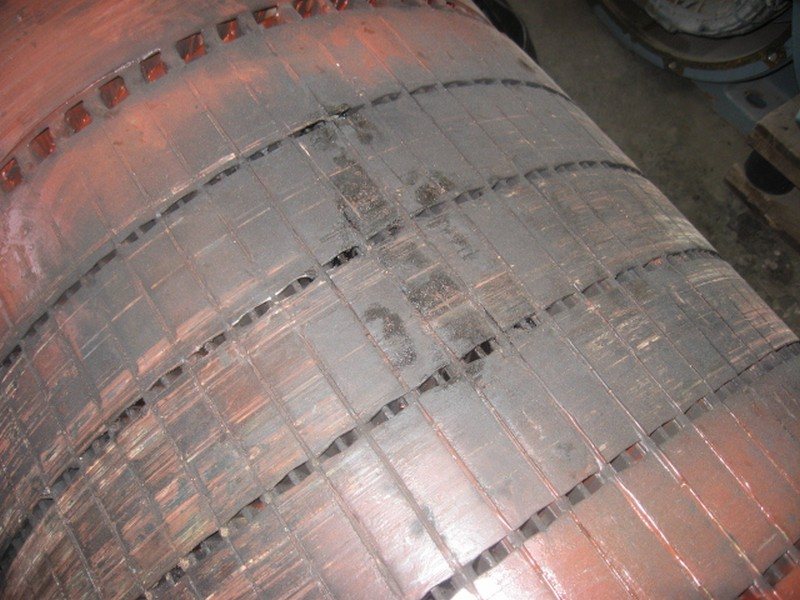
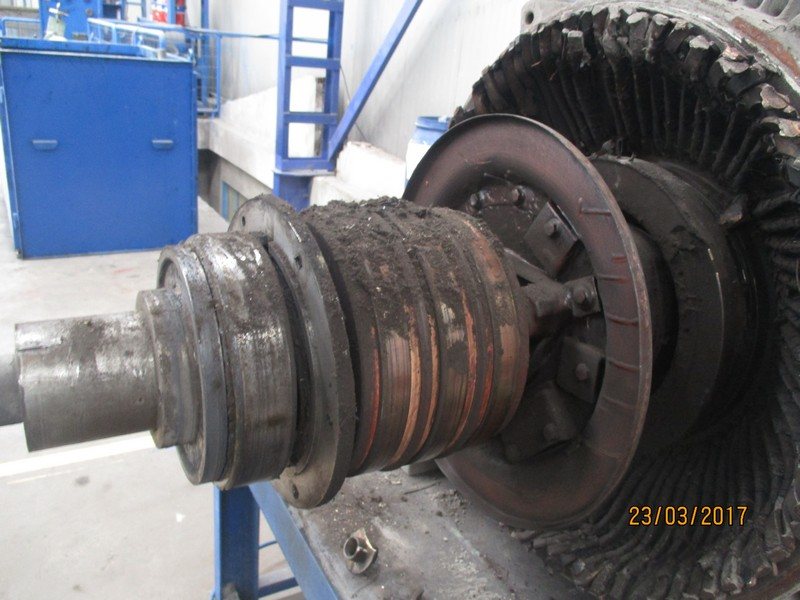
- Slip ring surface wear and ovality: Shows up as brush sparking, uneven brush wear and heating.
- Brush and brush holder problems: Incorrect brush pressure or sticking brushes cause marks and burns on the slip ring surface.
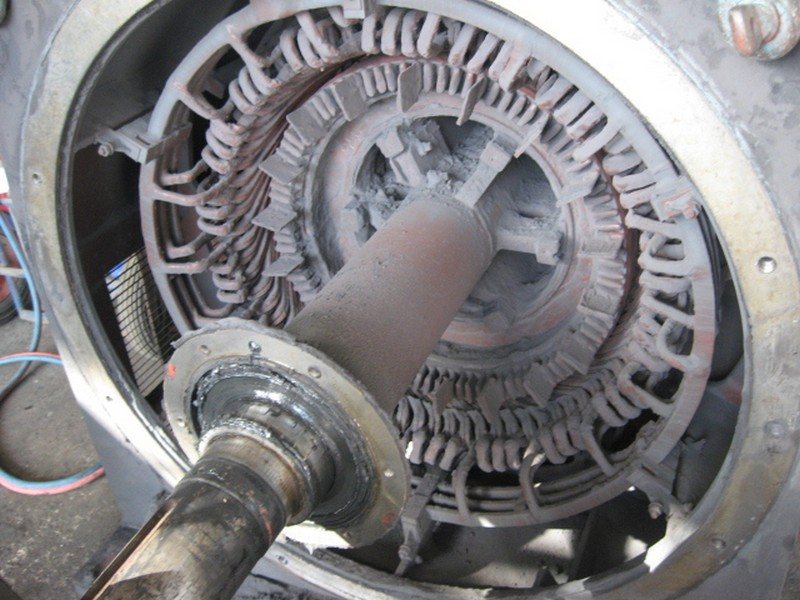
- Brush dust contamination: Accumulated carbon dust lowers insulation resistance around the slip rings and in the rotor winding and can cause flashovers.
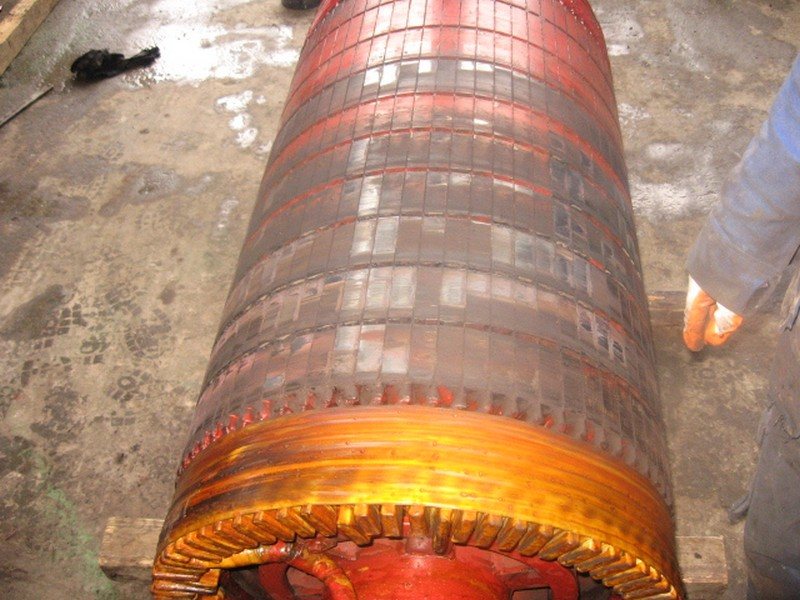
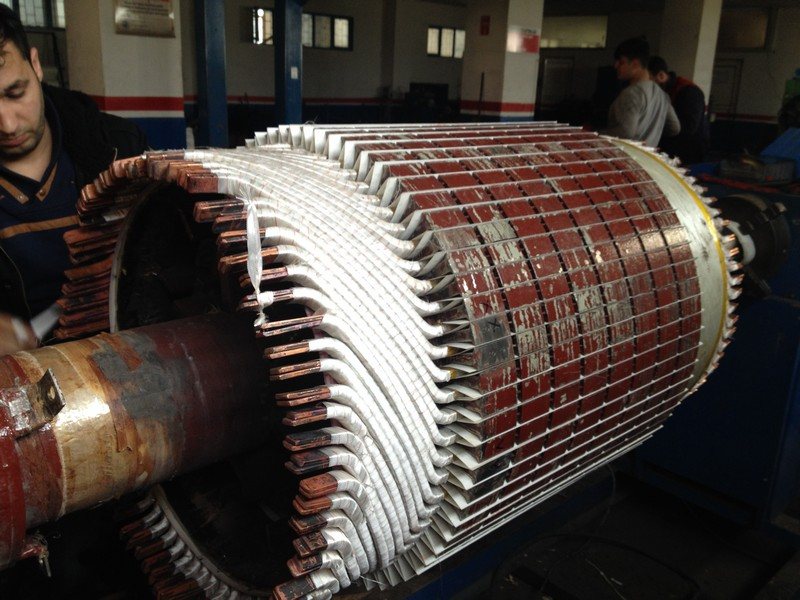
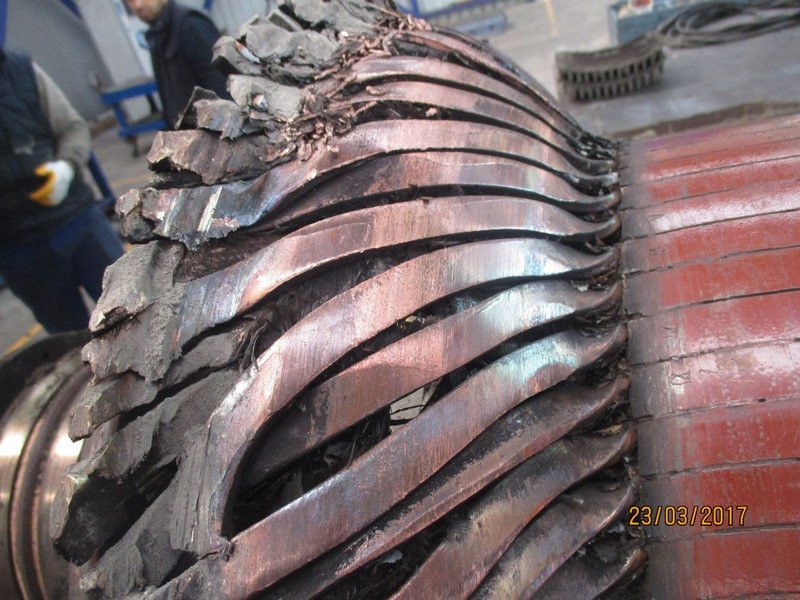
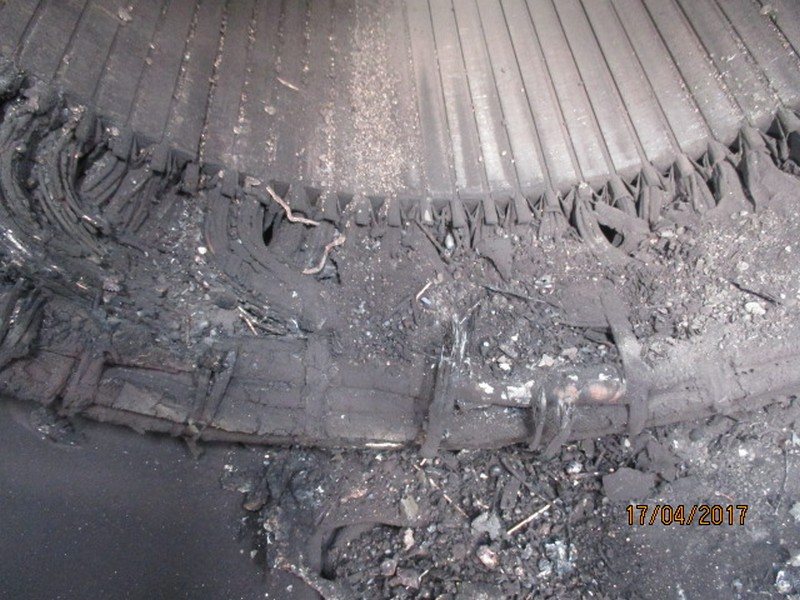
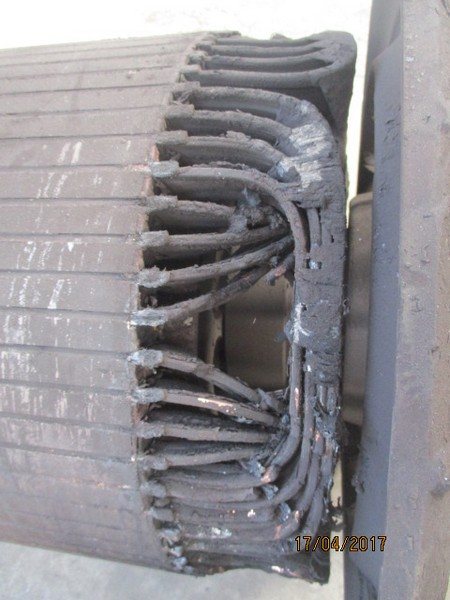
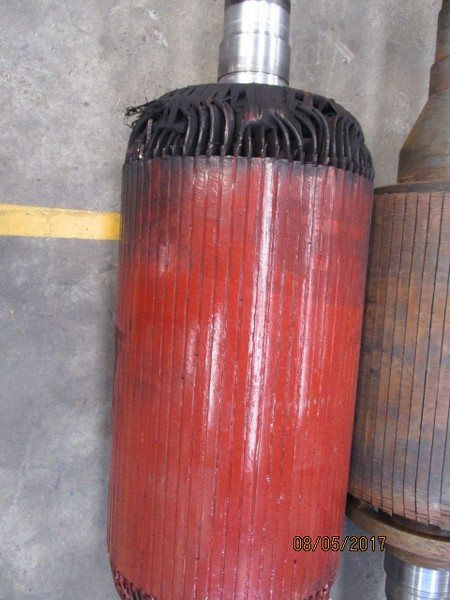
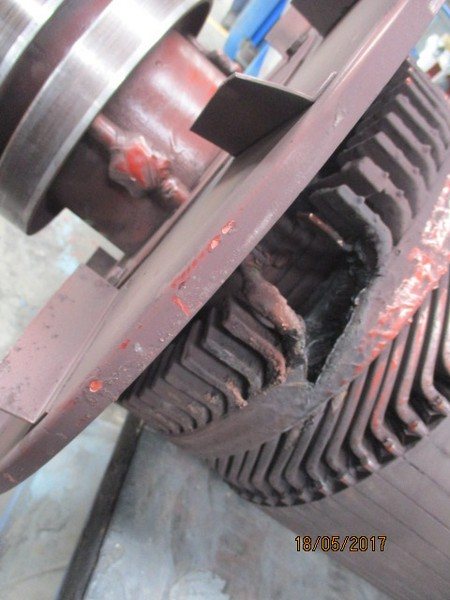
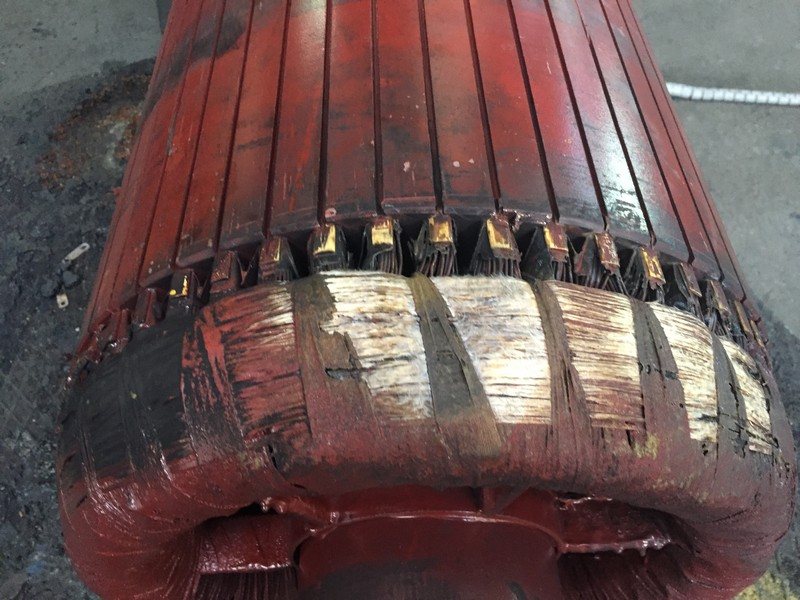
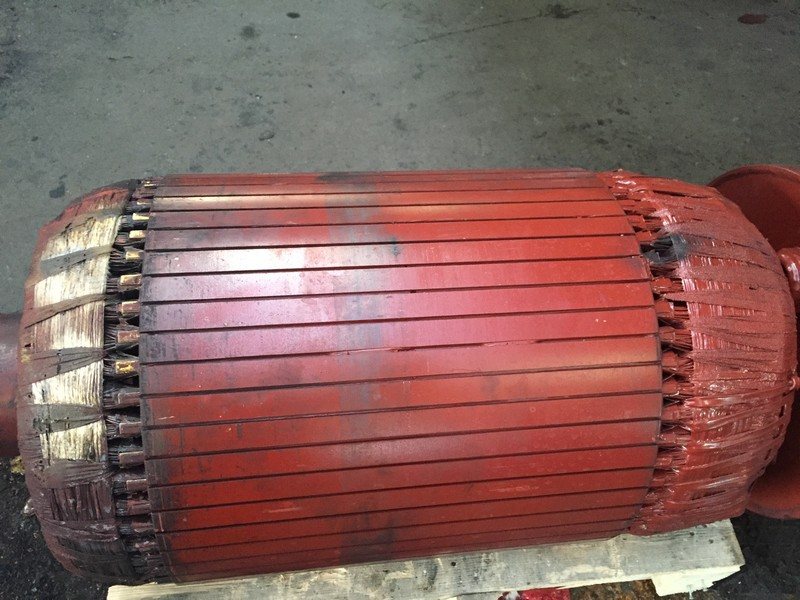
- Rotor winding faults: Prolonged starts caused by a problem in the starting circuit overheat the rotor winding; loose banding and winding burnout can occur.
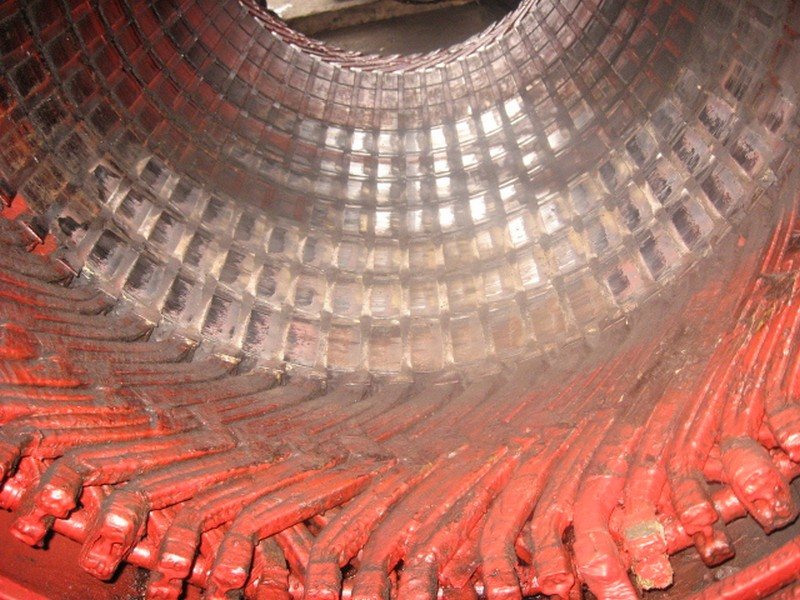
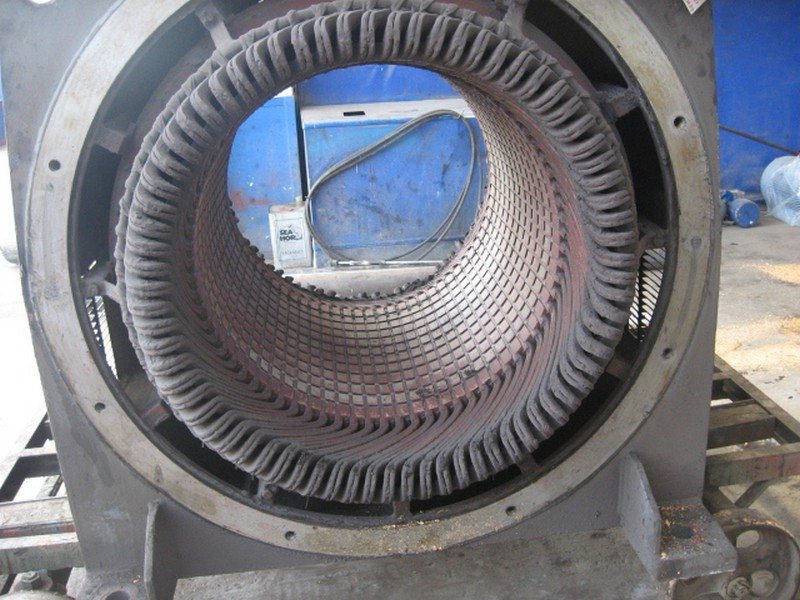
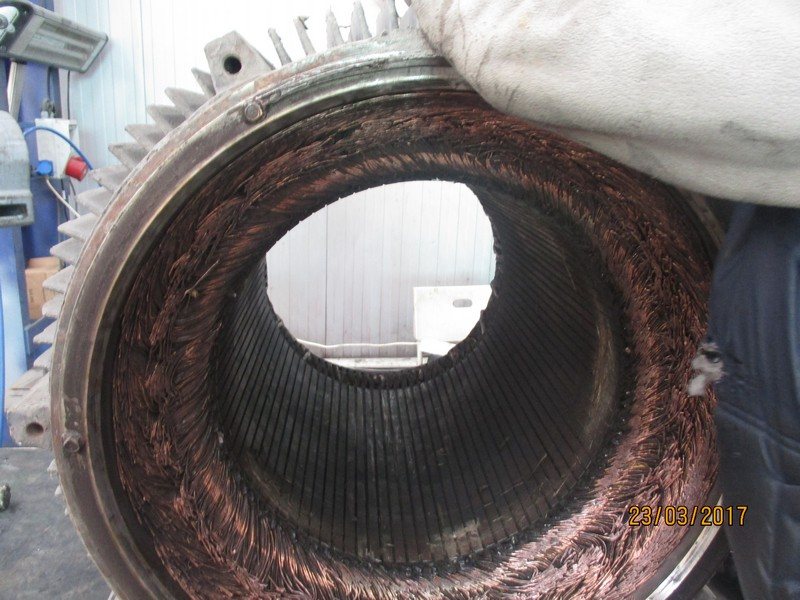
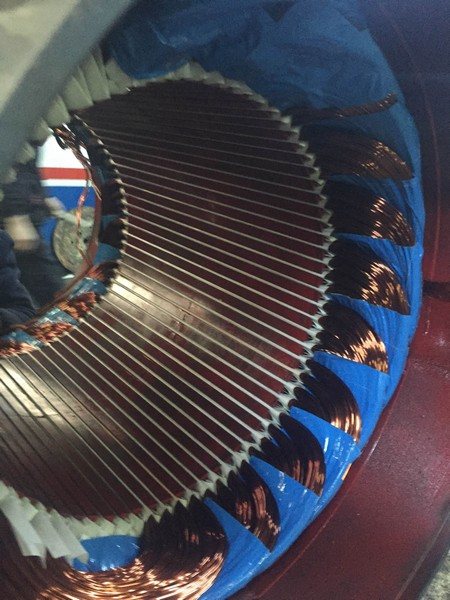
- Stator winding faults: Short circuits caused by insulation ageing, moisture and overload.
Our slip-ring motor rewinding and repair process
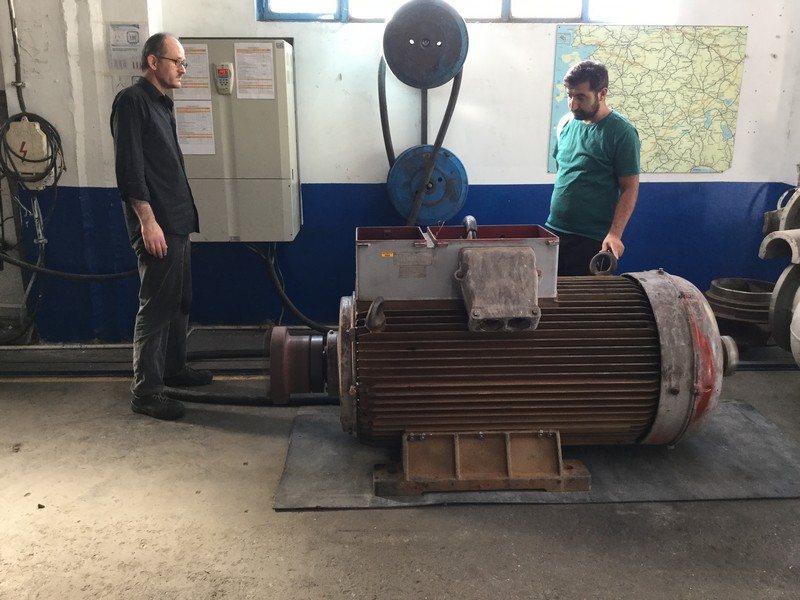
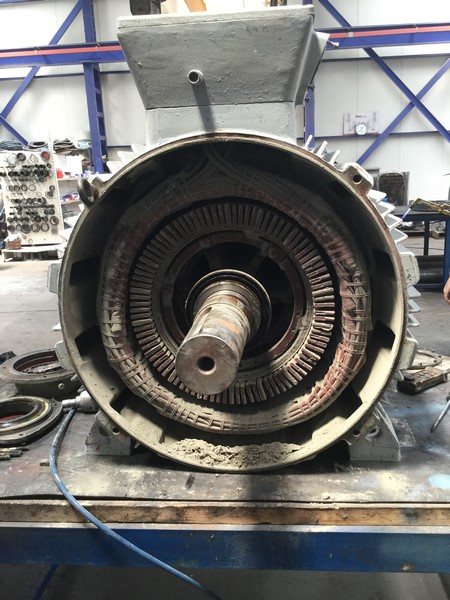
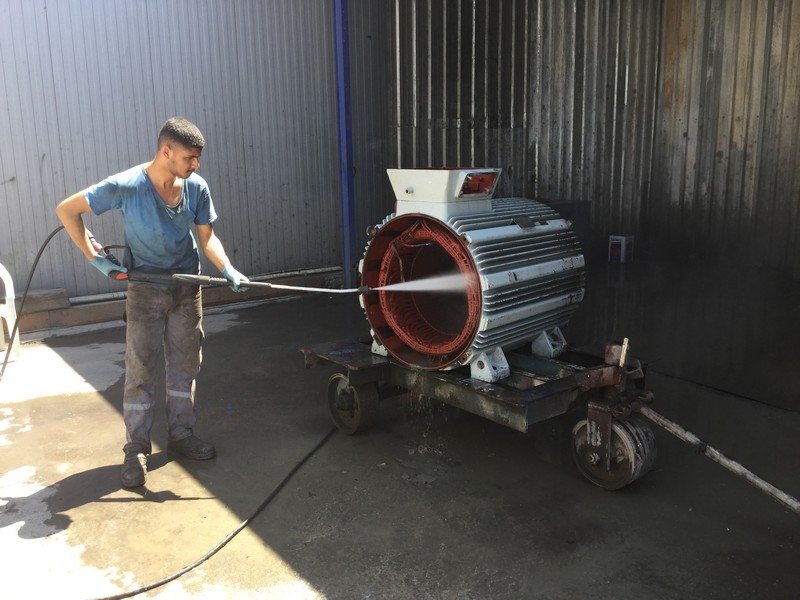
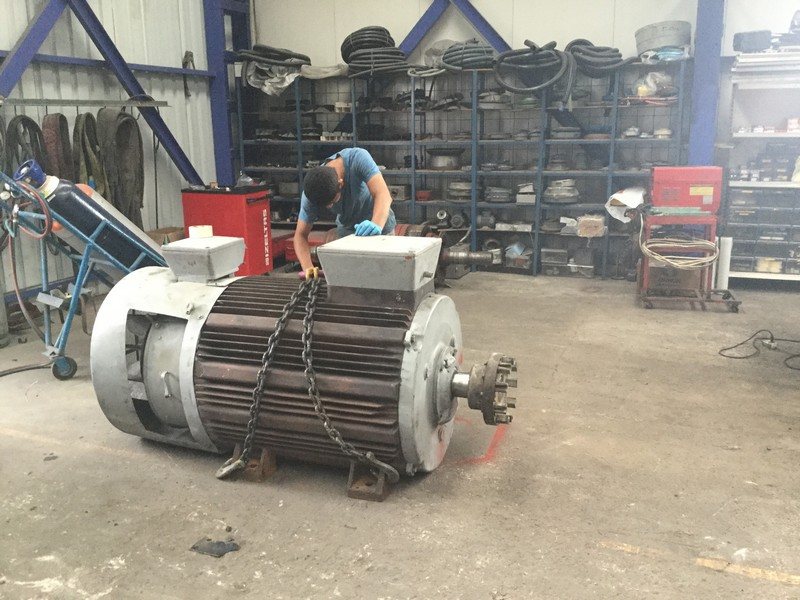
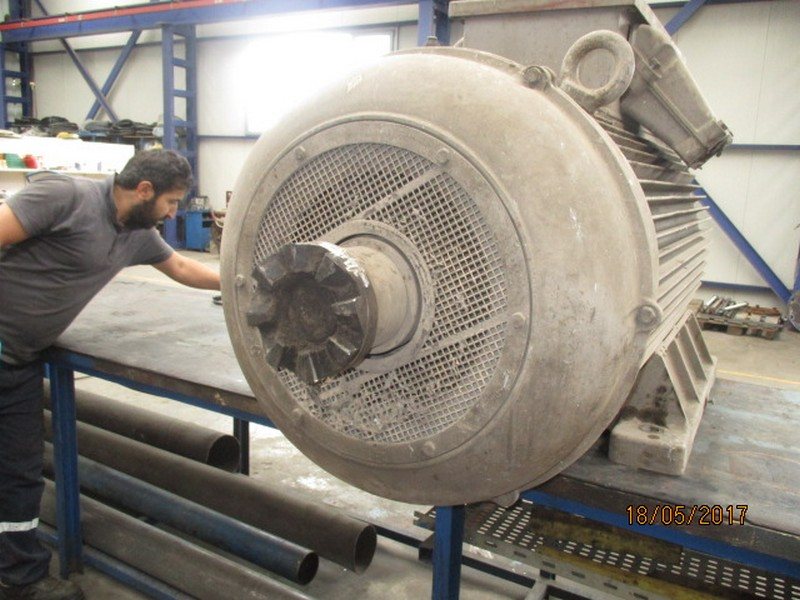
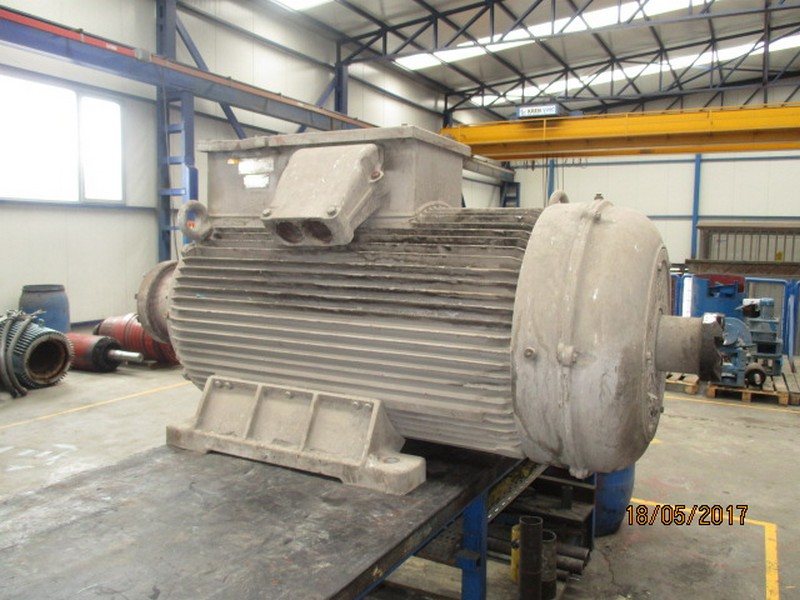
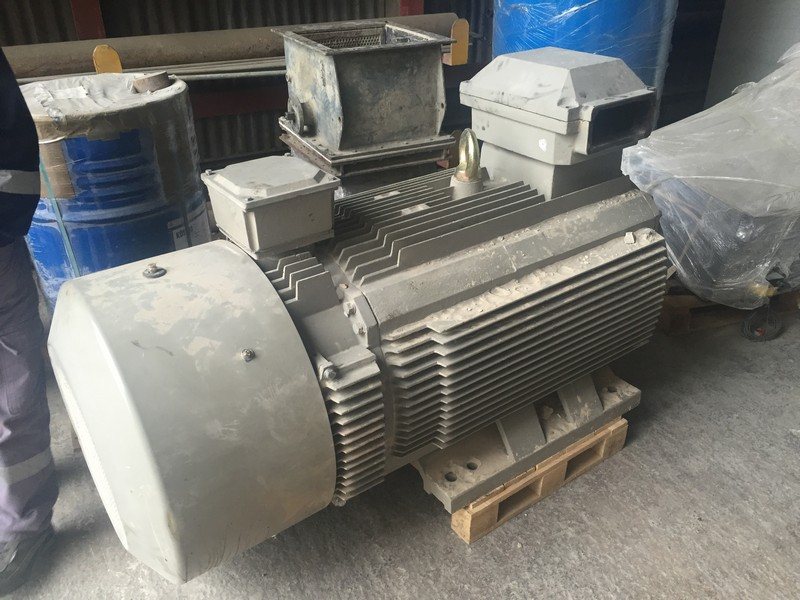
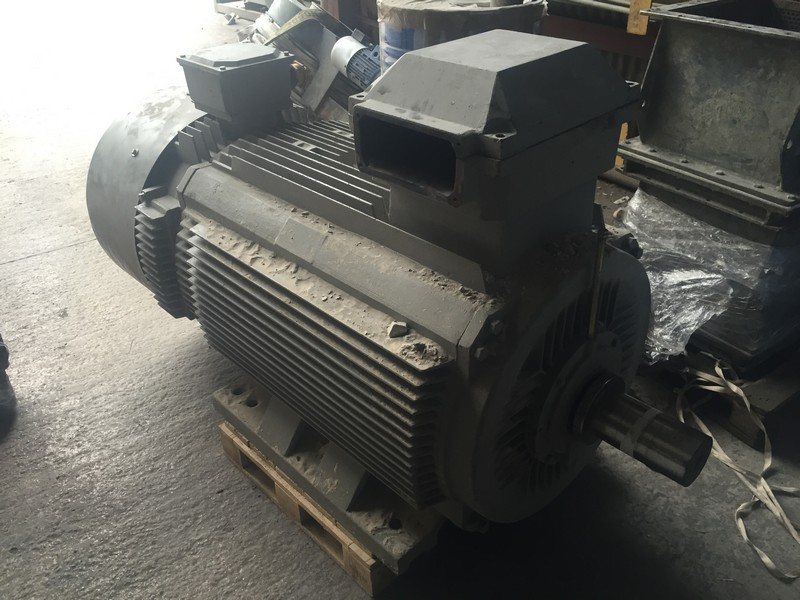
- Photographed incoming inspection: The general condition of the motor, the slip ring and brush system and the faulty windings are recorded; electrical measurements are taken on the stator and rotor windings.
- Quotation and approval: A quotation prepared from the findings is submitted to you; additional work is carried out with your approval.
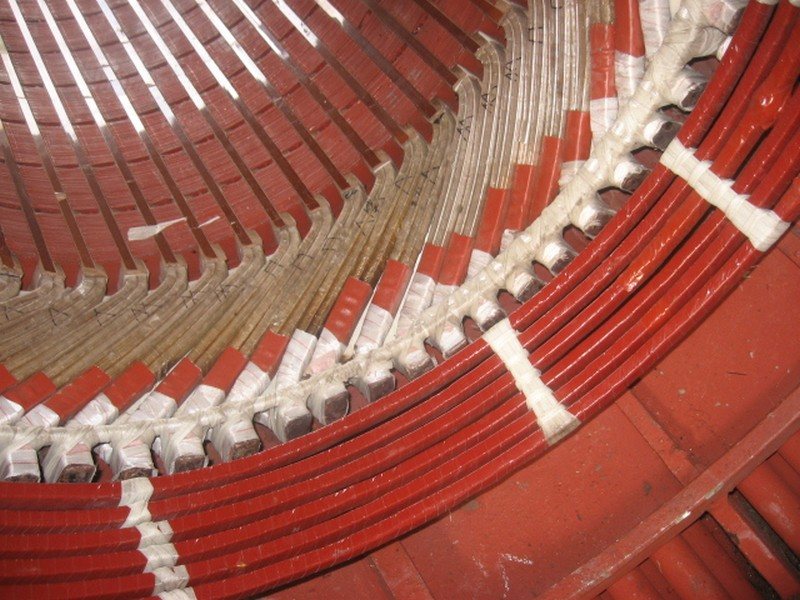
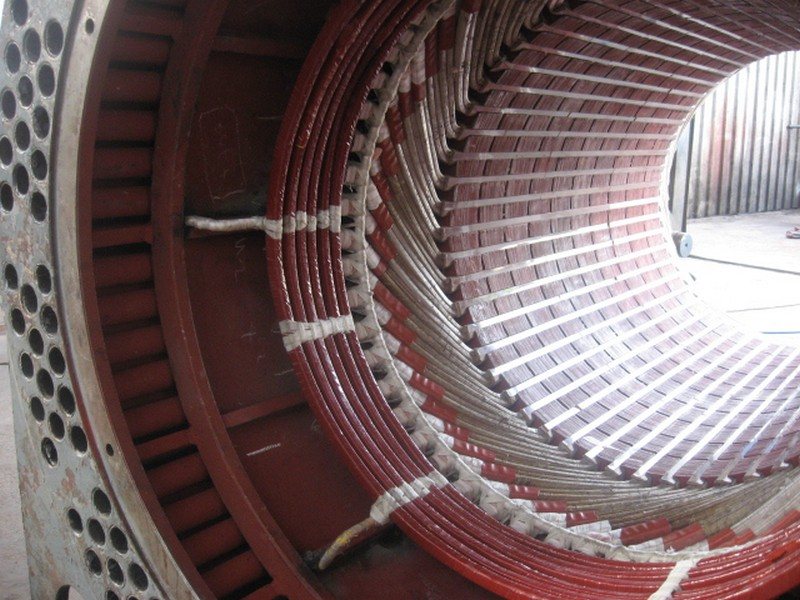
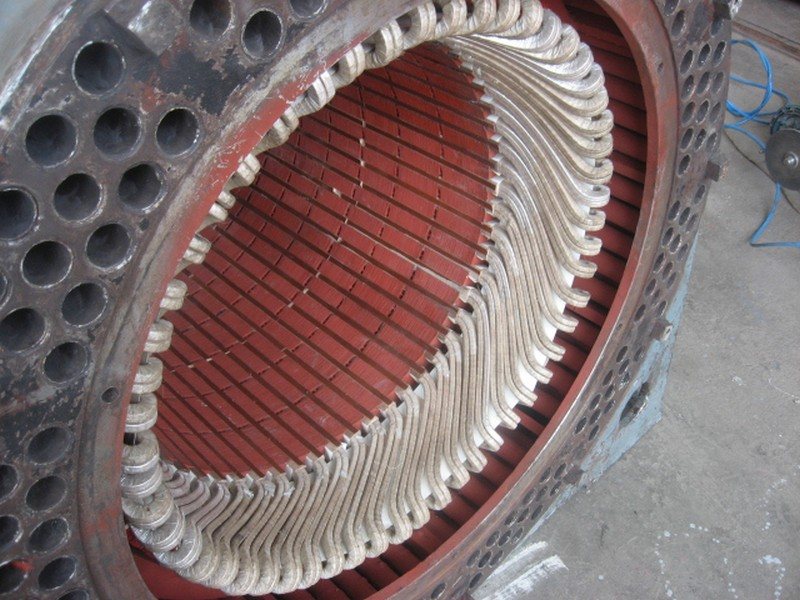
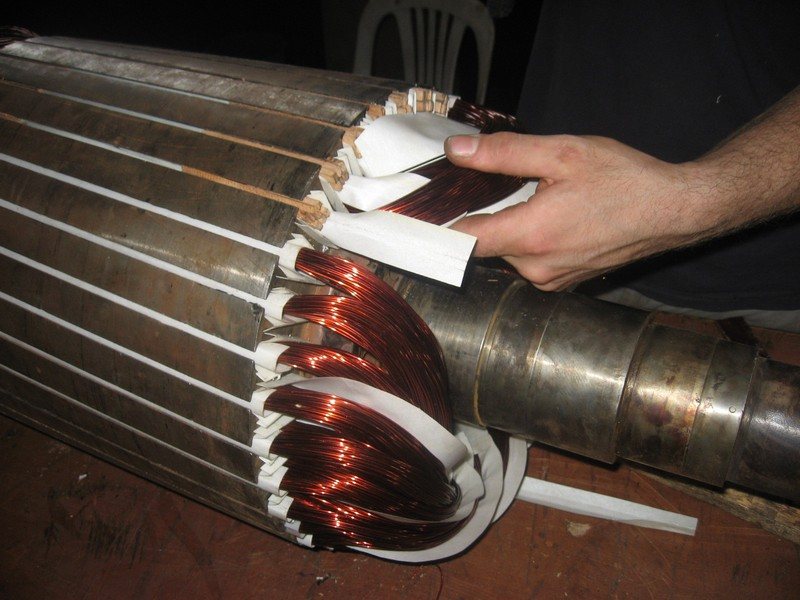
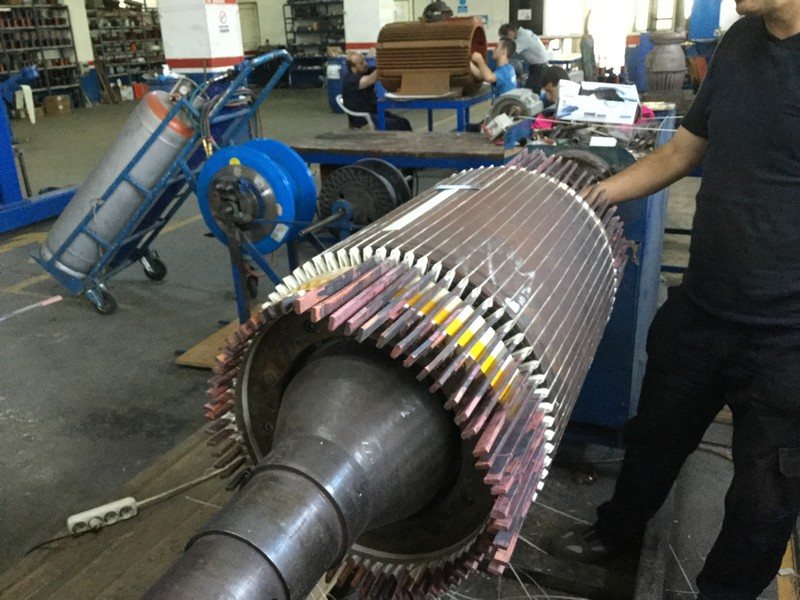
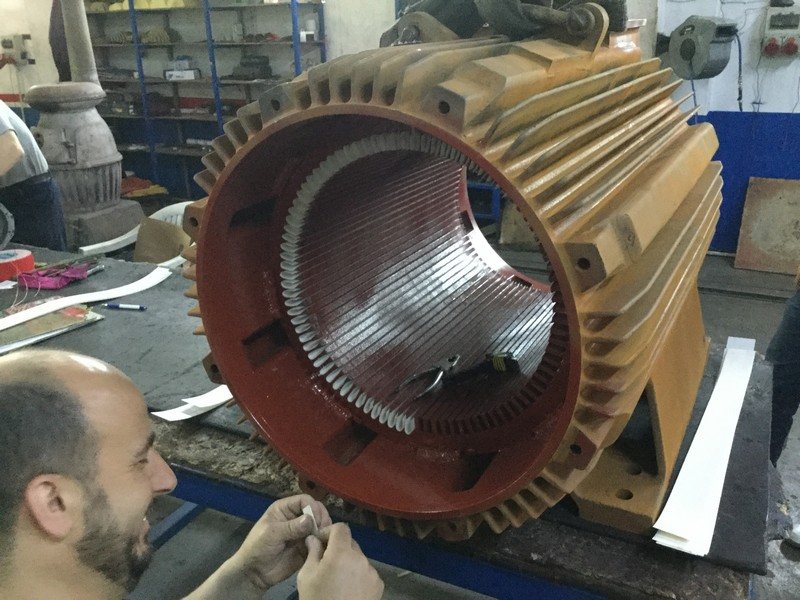
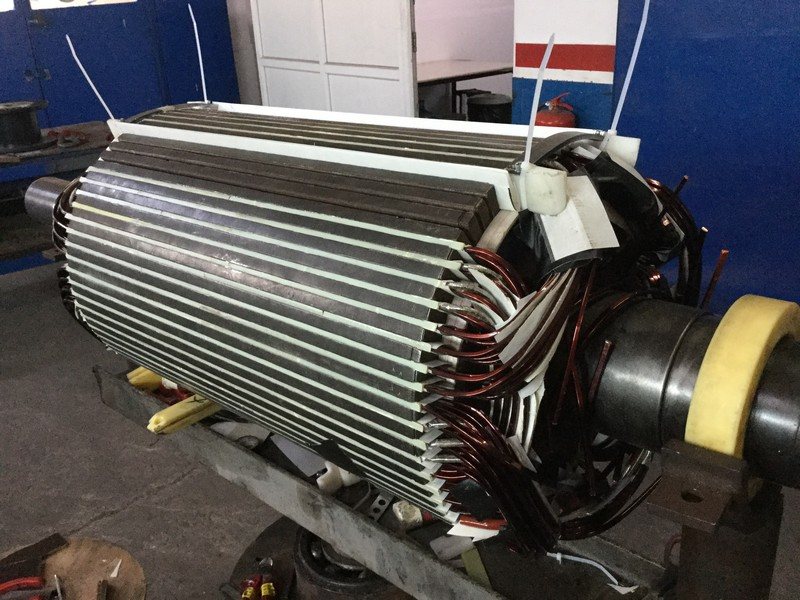
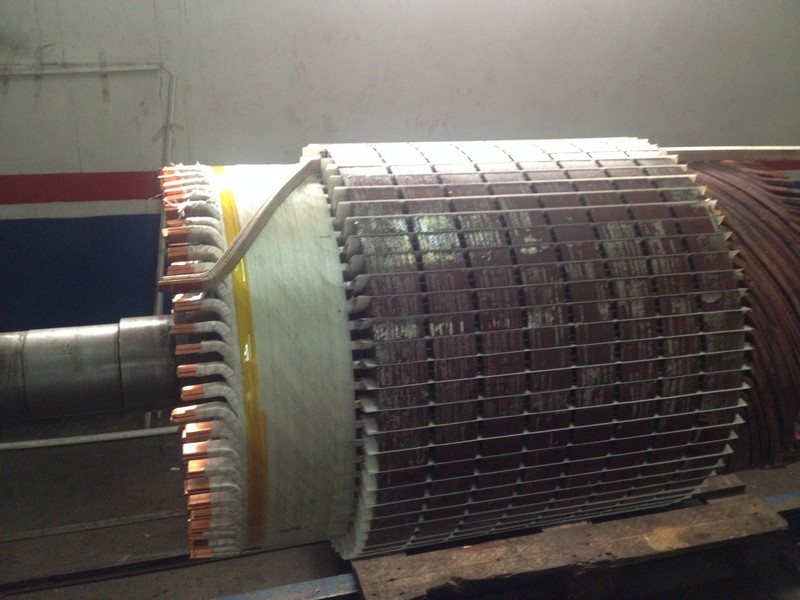
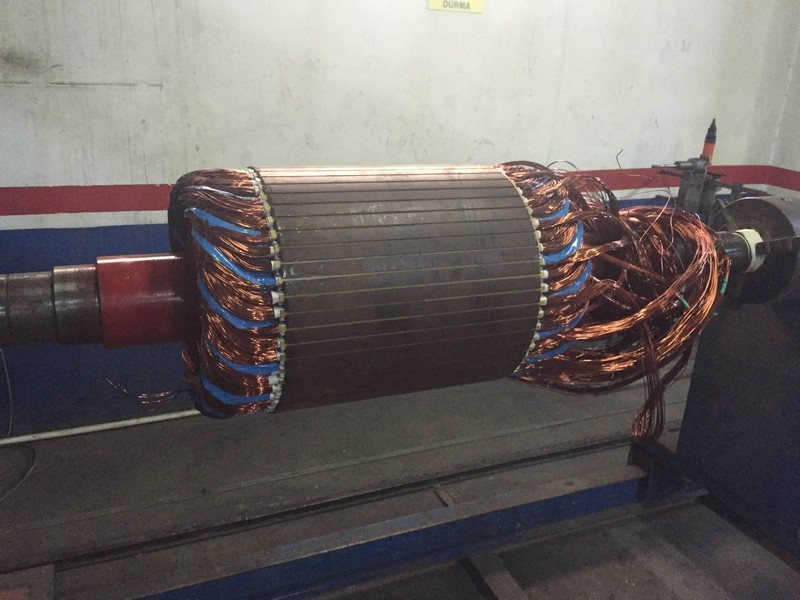
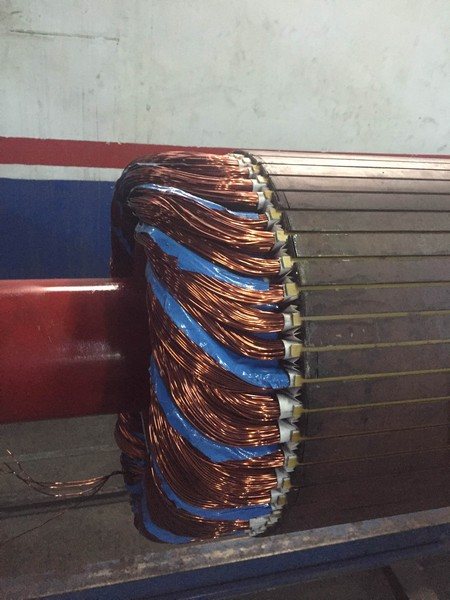
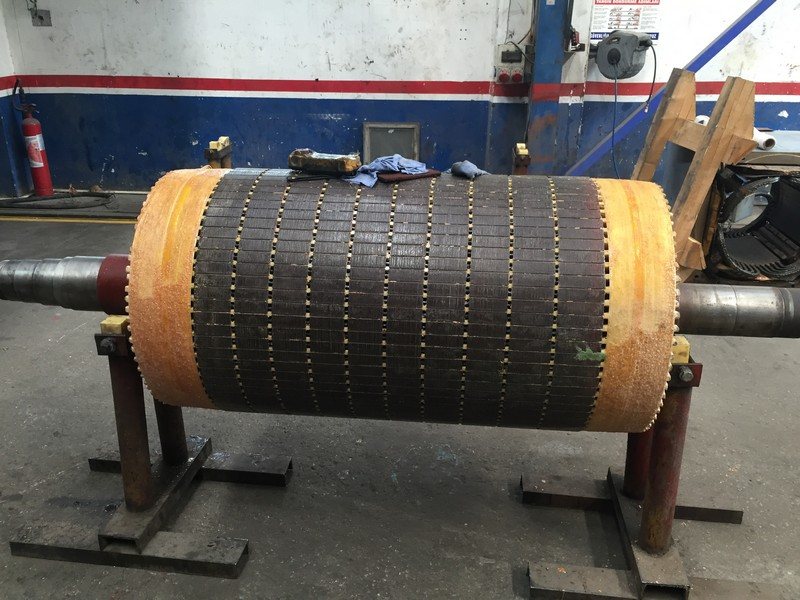
- Winding renewal: Faulty windings are stripped without damaging the core, the core is checked and the windings are rewound to the original data.
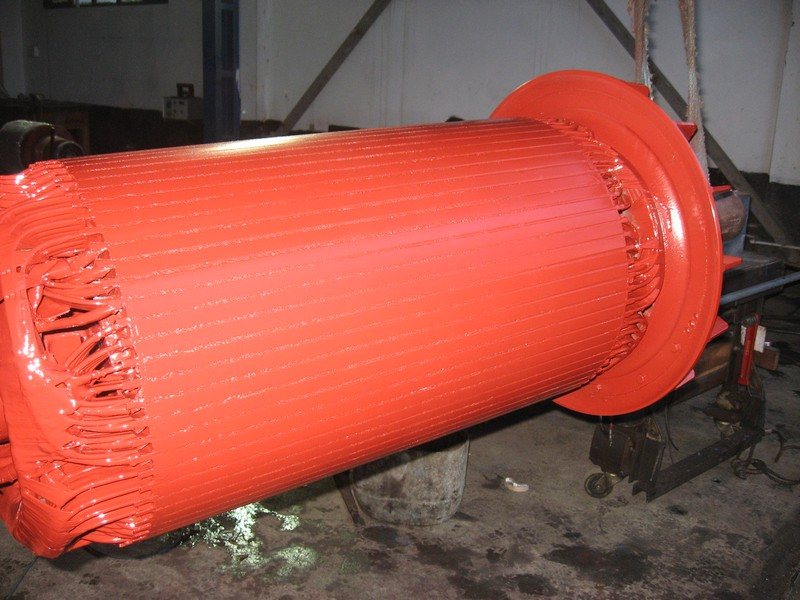
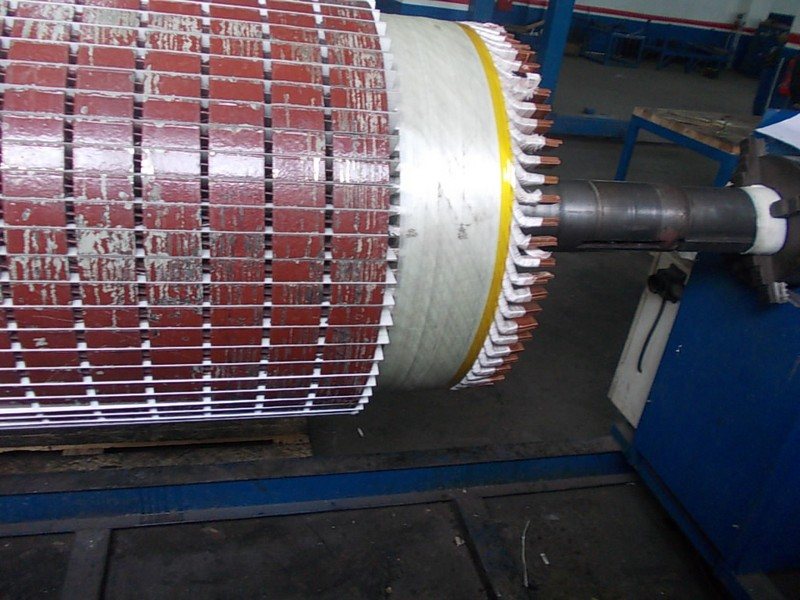
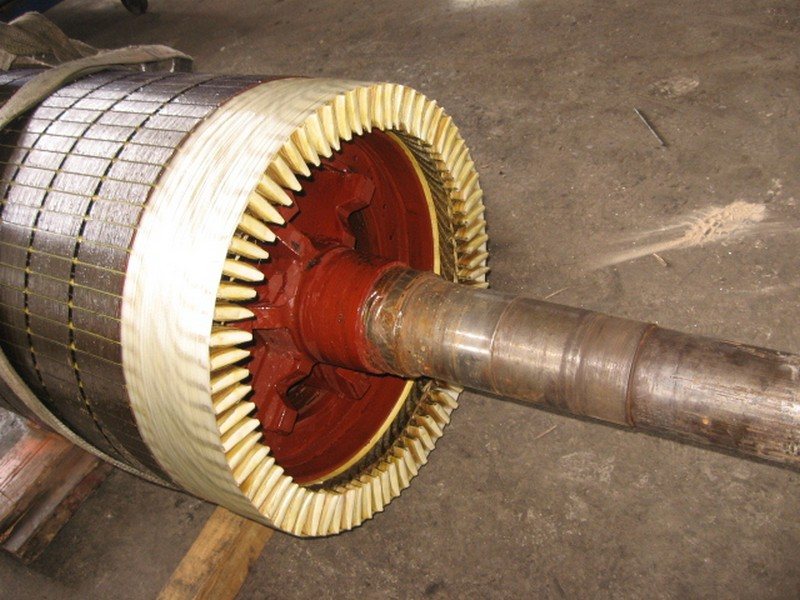
- Banding and varnishing: The rotor winding is banded against centrifugal forces; the windings are varnished with our VPI system and baked.
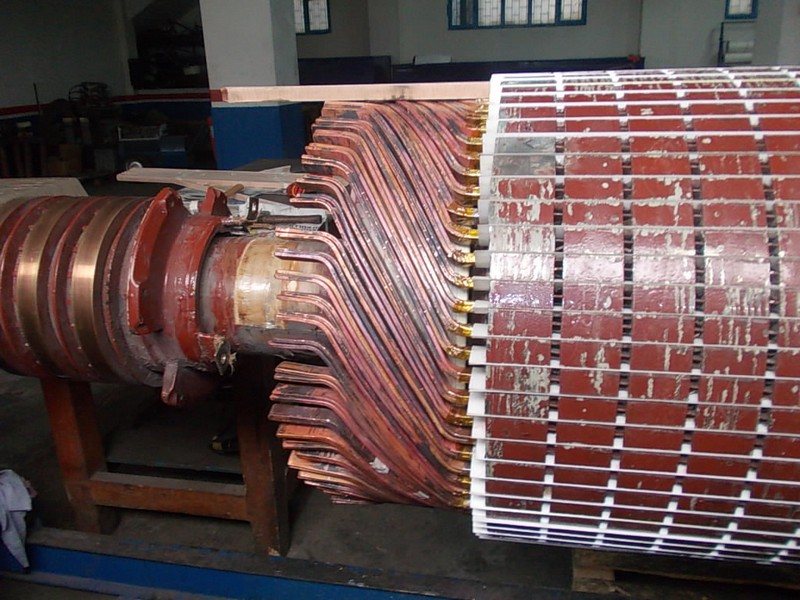
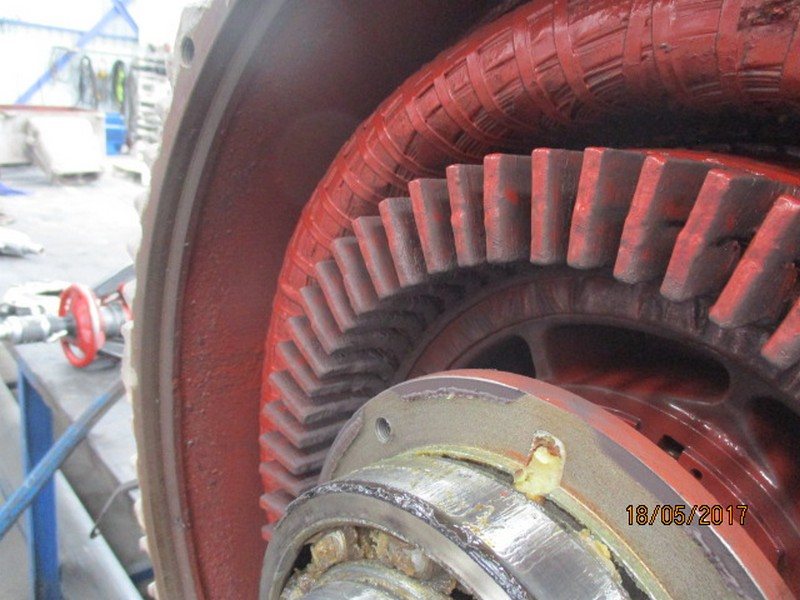
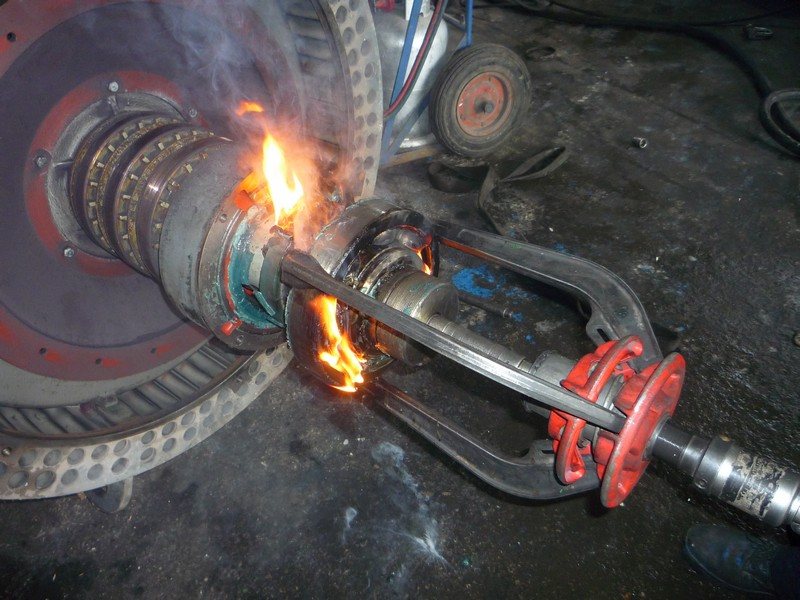
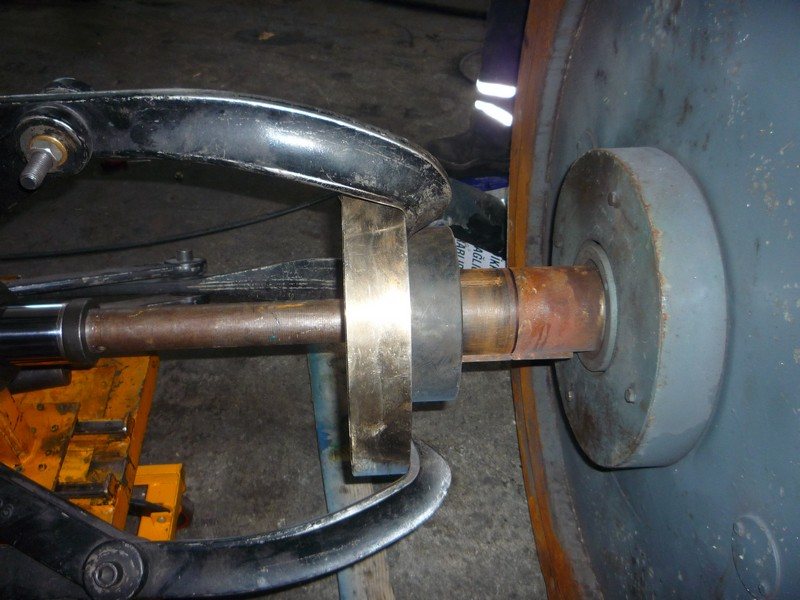
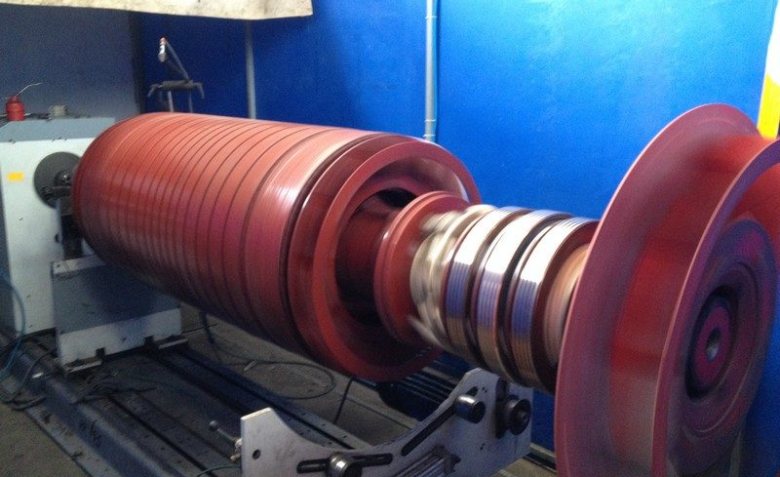
- Slip ring and brush holder work: Slip ring surfaces are machined on the lathe; where needed, slip rings and brush holders are manufactured in our workshop.
- Balancing and assembly: The rotor is balanced to ISO 1940/1 and the motor is assembled.
Testing and reporting
- Resistance measurements on stator and rotor windings
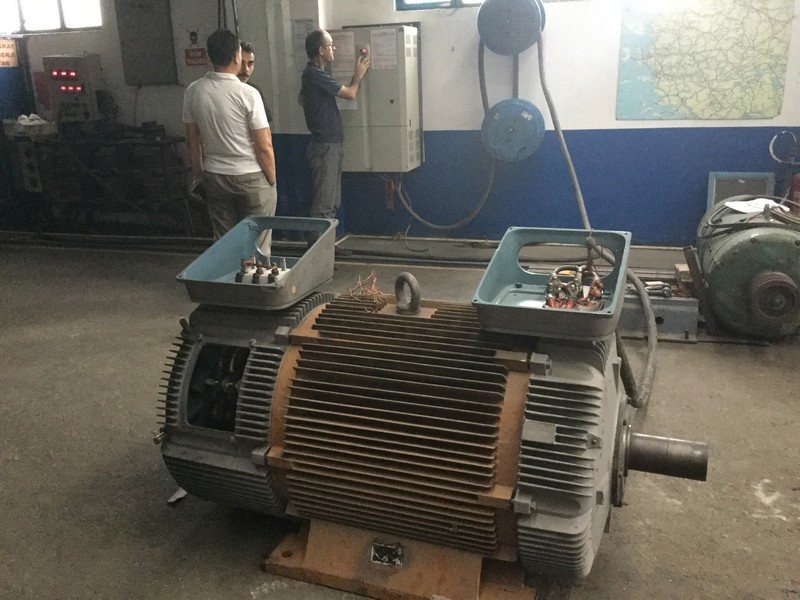
- Insulation resistance and hi-pot tests based on TS EN 60034-15
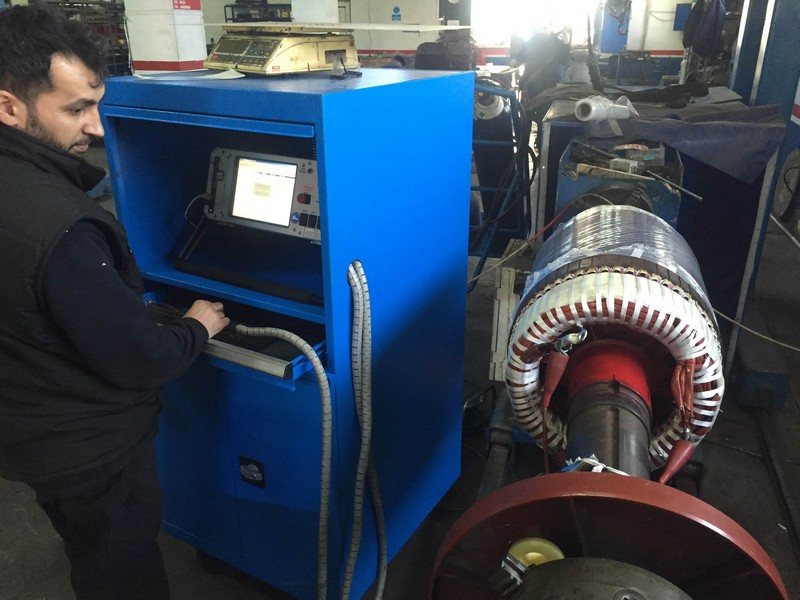
- Surge test with a Baker-SKF tester; results are reported graphically and numerically
- Rotor balancing report and vibration measurement during no-load running
In slip-ring motors, the rotor circuit must be as healthy as the stator; the two winding groups are therefore tested and reported separately.
Related services
For stator work on medium voltage slip-ring motors, see our medium voltage motor rewinding service; for rotors and other rotating parts, see industrial balancing. Our work in cement and iron and steel plants, where slip-ring motors are used extensively, is described on our industry pages.
Send us your motor's nameplate data and fault symptoms via the quote request form, and we will get back to you after a preliminary assessment.
Frequently Asked Questions
Can I have only the slip rings or brush holders repaired?
Yes. Slip ring and brush holder manufacture and skimming of slip ring surfaces are among our services. The condition of the windings is measured during the incoming inspection and reported separately.
Is the rotor winding always renewed as well?
No. Which winding is renewed is decided on the basis of the measurements and observations made during the incoming inspection, and each is shown as a separate item in the quotation.
Do you also work on medium voltage slip-ring motors?
Yes, we rewind, maintain and repair both low and medium voltage slip-ring induction motors.
How long does the repair take?
The duration depends on the motor's size, the windings to be renewed and whether slip ring manufacture is needed, and is stated in the quotation after the incoming inspection.